
best vr nature games 2026 searches usually come from the same place: you want that “I’m actually there” feeling, but you don’t want to waste money on pretty demos that get old in 15 minutes.
The tricky part is that “nature” in VR can mean very different things, calm exploration, survival crafting, wildlife photography, hiking sims, even fitness-first rhythm games set outdoors. A great choice depends less on the store rating and more on your comfort level, play space, and what you want to feel when you put the headset on.
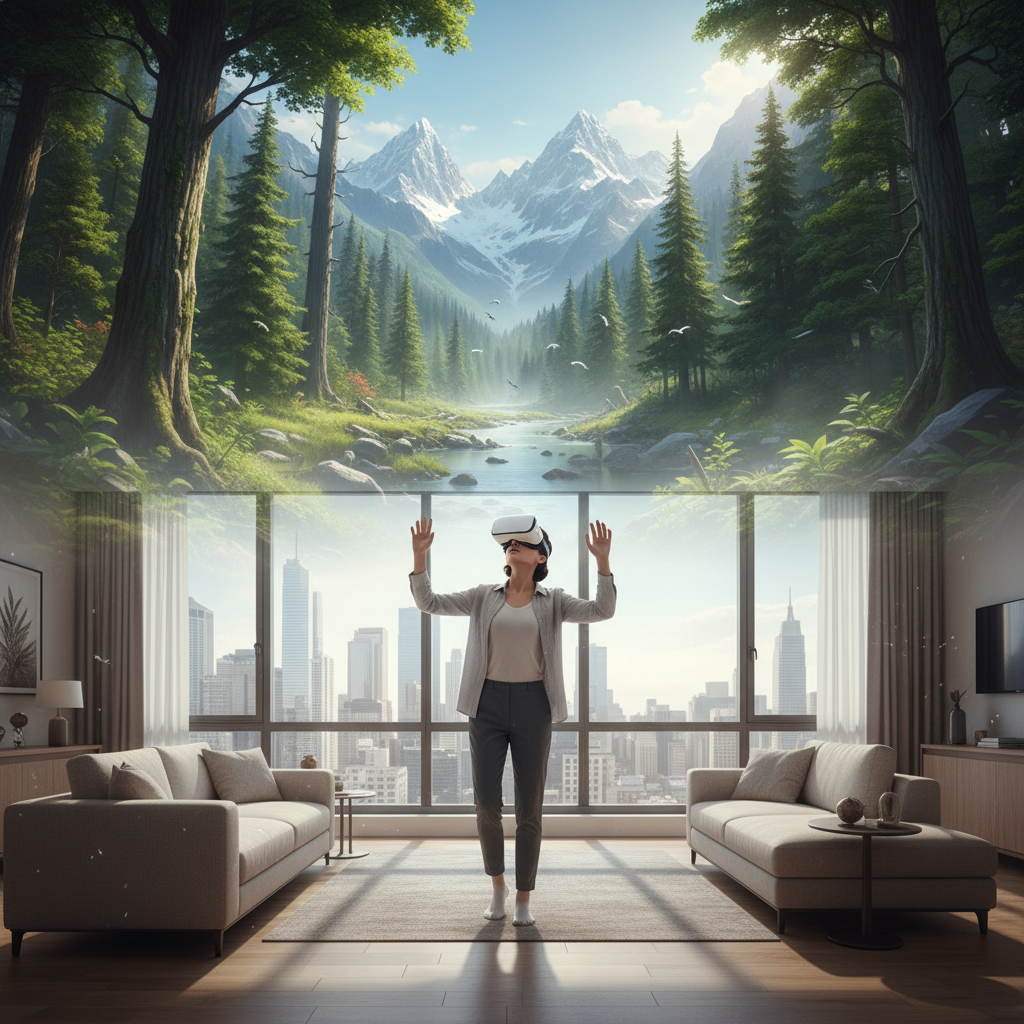
This guide focuses on practical picks and how to choose, not just a long list. You’ll also get a quick checklist for motion comfort, a comparison table, and setup tips that make outdoor worlds feel more convincing.
What “nature VR games” really include in 2026
By 2026, “nature” has become a broad bucket across most VR stores, and that’s where people get mismatched expectations. It helps to sort titles by what you actually do minute to minute.
- Relaxation and sightseeing: guided experiences, scenic tours, meditation apps with natural environments.
- Exploration and puzzles: light objectives inside forests, caves, islands, and ruins.
- Survival and crafting: gathering resources, weather systems, shelter building, often with threat pressure.
- Animal and wildlife focus: photography, observation, gentle interaction, sometimes educational framing.
- Outdoor fitness vibes: active games that borrow nature aesthetics for motivation.
If you want “peaceful,” avoid games that quietly add stamina meters, hunger timers, or stealth combat. They can still be great, just not relaxing.
Quick comparison table: match your vibe to the right type
Use this as a filter before you even open a store page. It prevents the most common disappointment: buying an “experience” when you wanted a “game,” or buying a survival game when you needed a stress reducer.
| What you want | Best fit sub-genre | Typical session length | Motion comfort note |
|---|---|---|---|
| Chill, low effort, pretty scenery | Relaxation / sightseeing | 10–30 min | Usually comfortable, minimal locomotion |
| A “walk in the woods” with light goals | Exploration / puzzles | 30–60 min | Snap-turn and teleport options matter |
| Adventure with stakes and progression | Survival / crafting | 60+ min | Smooth movement can be intense for beginners |
| Animals, photo mode, observation | Wildlife / photography | 20–45 min | Comfort varies, often slower movement |
| Sweaty gameplay but outdoors mood | Nature-styled fitness | 15–45 min | Comfort depends on camera motion and speed |
How to judge quality fast (before you buy)
For best vr nature games 2026 candidates, graphics alone can fool you. The best titles tend to nail “presence,” and presence comes from design details more than raw resolution.
Look for these “good signs” in the store page
- Comfort settings are clearly listed: teleport, vignette, snap-turn, seated/standing support.
- Interaction depth: hands do more than point, you can pick up, climb, paddle, or handle tools naturally.
- Sound design mentions: spatial audio, wind, wildlife calls, water, subtle ambience layers.
- Progression or replay hook: photo challenges, collectibles, crafting unlocks, or changing weather/day cycles.
Red flags that often show up later
- “Beautiful environment” with no mention of gameplay loop, it may be a short showcase.
- Comfort features missing or vague, especially if the trailer shows fast smooth locomotion.
- Overuse of bloom/fog to hide low-detail assets, looks fine in video, feels flat in-headset.
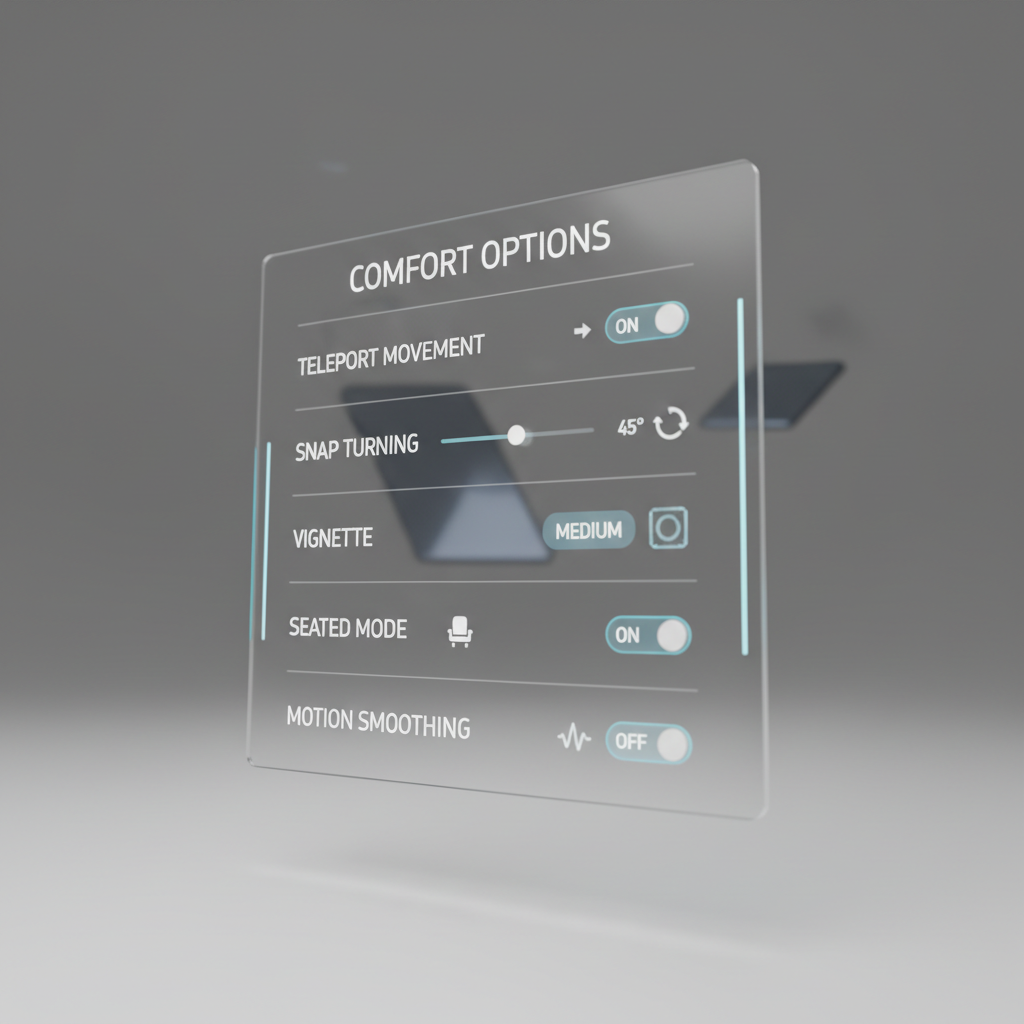
One more practical shortcut: scan user reviews specifically for words like “nausea,” “comfort,” “locomotion,” “teleport,” and “snap turn.” You’ll learn more from those than from “looks amazing.”
Comfort and motion sickness: a realistic self-check
Nature VR tends to invite long sessions, which is exactly when discomfort can ruin it. According to American Academy of Ophthalmology, some people can experience eye strain or discomfort with screen-based viewing, and VR can add extra load because your eyes and inner ear may disagree about motion.
- If you’re new to VR: start with teleport movement, short sessions, and games with stable horizon lines.
- If you get “VR legs” quickly: you can consider smooth locomotion, but keep snap turning and vignetting available.
- If you’re sensitive to motion: avoid fast sprinting, vehicle segments, forced smooth turning, and sudden camera shakes.
Any ongoing dizziness, headaches, or vision issues deserve caution, and if symptoms feel unusual or persistent, it’s smart to stop and consider talking with a healthcare professional.
Top picks by scenario (instead of one big ranked list)
Rather than pretending one title wins for everyone, these buckets reflect how people actually shop. If you’re building a short list of best vr nature games 2026 options, pick one per bucket and you’ll cover most moods without buying five near-identical experiences.
1) For “I need to decompress” evenings
- Guided nature experiences: look for slow pacing, minimal UI, and high-quality ambient audio.
- Meditation-in-nature apps: best when they support hand tracking or simple controllers so you don’t feel “in a menu.”
2) For active exploration without combat stress
- Hiking/exploration sims: pick ones with clear locomotion options and interactive waypoints or light puzzles.
- Climbing or kayaking-style traversal: great immersion, but check comfort settings if camera momentum is strong.
3) For survival fans who want “nature with teeth”
- Crafting + weather systems: the best ones make rain, cold, and darkness meaningful, not just visual.
- Base building outdoors: look for good object snapping and readable inventory, VR clutter can become exhausting.
4) For animal lovers and photo-mode people
- Wildlife photography loops: ideally with behavior variety, tracks, bait tools, or time-of-day changes.
- Gentle creature interaction: avoid titles that tease interaction but don’t let you do much beyond petting.
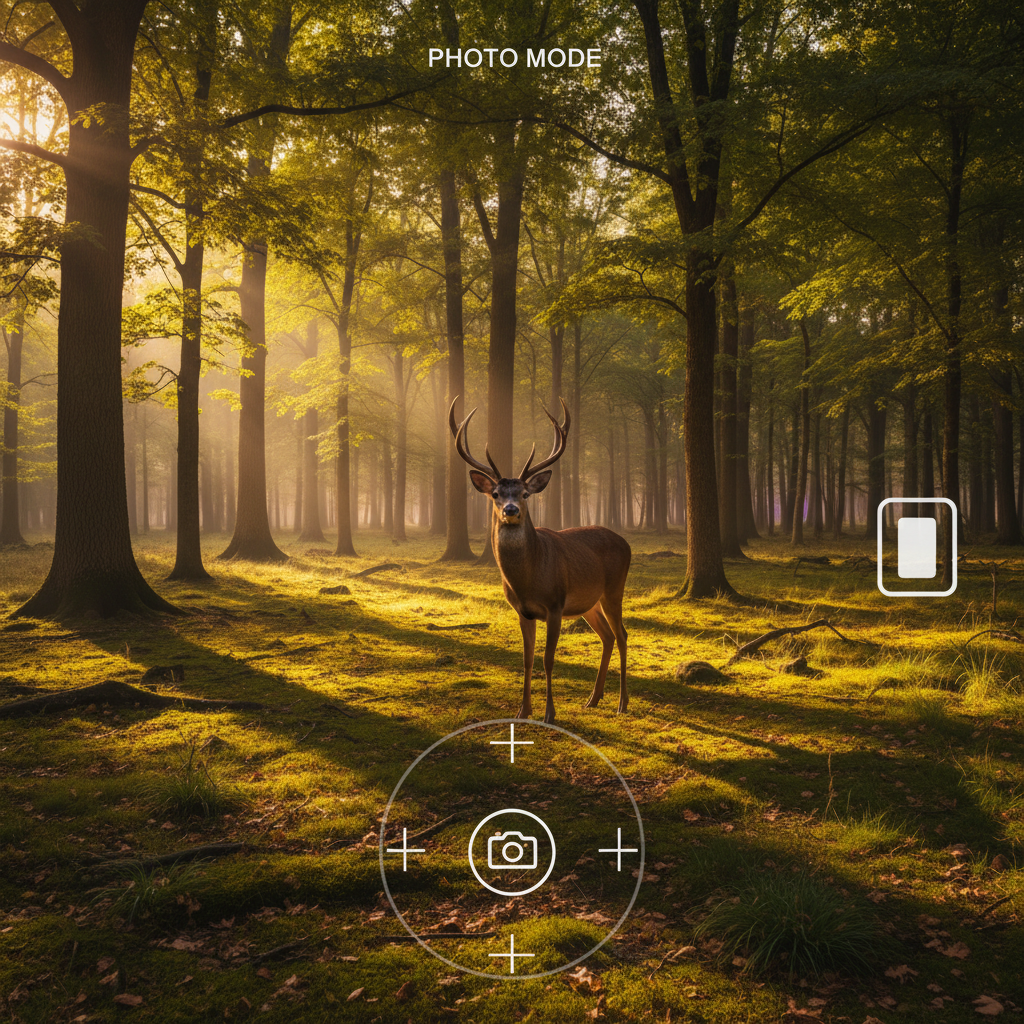
Tip that sounds small but matters: if a game supports photo mode or a “journal,” it usually indicates developers invested in long-term engagement rather than a one-time wow moment.
Practical setup tips that make nature worlds feel better
You can squeeze more “presence” out of almost any nature title with a few tweaks. This is the part most people skip, then blame the game.
- Audio first: even basic earbuds can outperform open speakers for wind, water, and distant wildlife cues.
- Room lighting: keep it consistent to help tracking, avoid sunlight patches that move across the floor.
- Play space expectations: if a game encourages leaning, crouching, or climbing, give yourself extra clearance.
- Controller calibration: redo guardian/boundary if your hands feel “off” in reach interactions.
- Comfort pacing: take breaks before you feel bad, not after, nausea tends to ramp once it starts.
If you’re choosing between platforms, it’s worth checking whether the title offers higher-resolution textures, better shadows, or longer draw distance on your headset or PC setup, those details often matter more in nature scenes than in dark indoor levels.
Common mistakes when shopping “best VR nature” titles
- Buying for screenshots: foliage can look incredible in stills but feel lifeless if there’s no interaction or systemic behavior.
- Ignoring comfort ratings: “intense” can be fine, but it’s a warning label, not a challenge coin.
- Overpaying for short experiences: many are worth it, but only if you want a 10–20 minute reset ritual.
- Assuming multiplayer improves immersion: sometimes it does, sometimes it turns nature into voice chat with trees.
If your goal is a long-term go-to, prioritize replay structure: procedural trails, rotating challenges, progression unlocks, or strong mod/community support where applicable.
Conclusion: how to pick your “best” in 10 minutes
The fastest way to land on your personal best vr nature games 2026 list is simple: decide the mood you want, filter by comfort options, then check reviews for motion notes and session length. That three-step pass catches most bad purchases.
If you want an easy next move, pick one calm sightseeing title for short stress relief and one exploration or wildlife game for longer sessions, then adjust from there once you learn what your body and your attention span actually like in VR.