
best vr relaxation games 2026 is a search that usually means one thing: you want VR that actually helps you decompress, not another “cozy” app that turns stressful after 10 minutes.
Relaxation in VR is tricky because comfort varies wildly, what feels soothing to one person can feel claustrophobic or motion-sickness-inducing to another, and storefront tags rarely explain the stuff that matters, locomotion style, intensity, session length, and sound design.
This guide narrows the field with practical categories, fast recommendations, and setup advice that tends to make a bigger difference than people expect, especially if you’re trying to unwind after work, before sleep, or during a short reset between tasks.
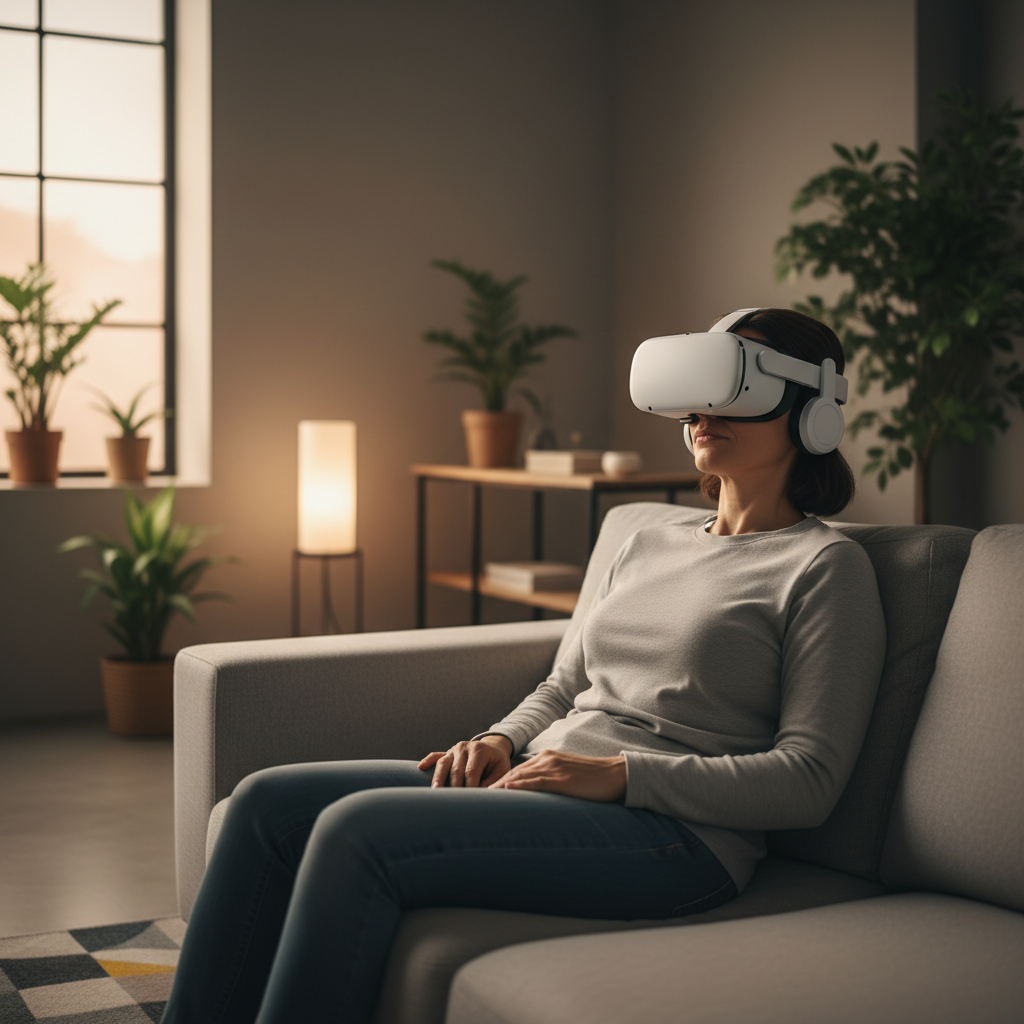
Key takeaways: pick the right comfort mode first, match the game’s “mental load” to your goal, and treat VR relaxation like a short ritual, not an endless session.
What “relaxing” means in VR (and why many picks miss)
A lot of lists lump together meditation apps, cozy exploration, and slow puzzle games, but those experiences relax people for different reasons. If you pick the wrong type, you’ll feel bored, irritated, or weirdly keyed up.
- Nervous-system downshift: slow breathing cues, gentle audio, low visual complexity, minimal goals.
- Soft focus: light tasks that keep your mind from looping, like simple puzzles or rhythm at low intensity.
- Escapism: beautiful environments and “being somewhere else” without pressure or timers.
- Somatic release: mild movement, stretching, or flow, relaxing because your body settles afterward.
Also, comfort matters more than vibes. A “calm” world with smooth movement can still trigger nausea for some players, which is the opposite of relaxing.
Quick picks table: best VR relaxation games 2026 by mood
Use this as a shortlist, then skim the sections below to match comfort settings and your situation.
| Goal | What to look for | Good fit examples (by type) | Comfort notes |
|---|---|---|---|
| De-stress in 5–15 minutes | Instant start, short loops, no fail states | Meditation/breathing apps, guided nature scenes | Prefer seated, teleport or stationary |
| Quiet your mind after work | Light objectives, predictable pacing | Low-intensity rhythm, gentle puzzle rooms | Snap-turn, vignette optional |
| Wind down before bed | Low blue light feel, slow audio, no adrenaline spikes | Ambient exploration, stargazing/underwater scenes | Keep session short, dim room lighting |
| Relax without getting sleepy | Soft flow state, mild challenge | Cozy crafting, tactile sandbox | Standing optional, avoid smooth locomotion if sensitive |
| Manage anxious energy | Grounding cues, breath pacing, gentle motion | Breath-led experiences, slow tai-chi style flow | Start seated, increase intensity gradually |
Top categories to shop (and what to choose in each)
Instead of pretending one “best list” fits everyone, it’s more useful to choose a category, then pick the strongest title on your platform within that style.
1) Meditation and guided relaxation
These work when you want your brain to stop negotiating. If you’re exhausted, decision fatigue is real, guided sessions remove that friction.
- Best for: quick calm, bedtime wind-down, stress spikes.
- Look for: short sessions, adjustable voice volume, offline downloads, comfort-first visuals.
- Skip if: you dislike narration or prefer active engagement.
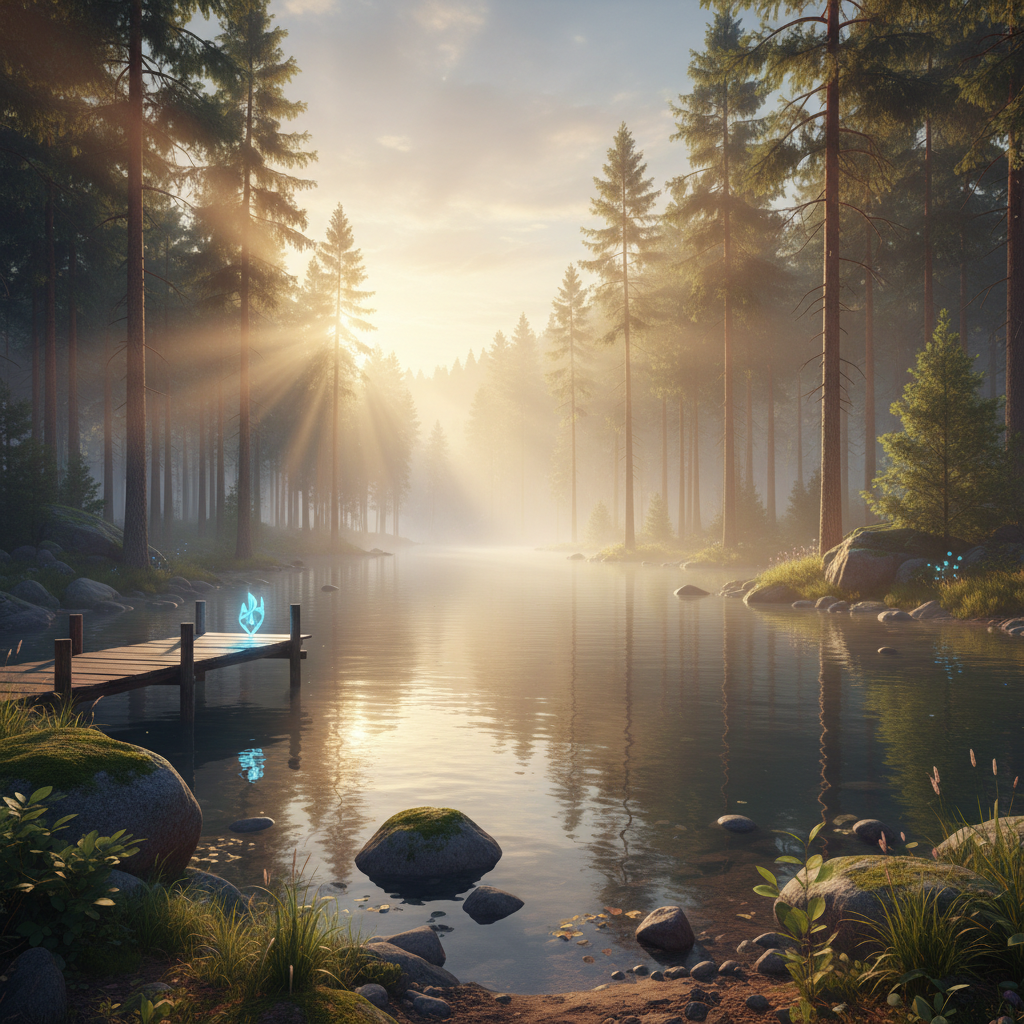
2) Nature and “presence” experiences
Forests, oceans, stargazing, and slow scenic travel can feel restorative, but only if movement is comfortable and the soundscape is clean, harsh audio loops ruin immersion fast.
- Best for: escapism, sensory reset, mood lift.
- Look for: stationary viewpoints, teleport between spots, high-quality ambient audio.
- Small tell: if a scene lets you just sit and look around without prompts, it’s often more relaxing.
3) Cozy puzzles and low-stakes crafting
Some people relax by doing something simple with their hands. In VR, tactile interactions can be soothing, placing objects, sorting, painting, assembling, but timers and “perfect scores” usually break the spell.
- Best for: evening decompression, post-meeting brain noise, mild focus.
- Look for: no time pressure, undo buttons, easy save/quit.
- Comfort note: room-scale leaning and reaching can be calming, but fatigue sneaks up, set a timer.
4) Low-intensity rhythm and flow
Not everyone wants “zen silence.” A slow, predictable beat can help you settle, especially if anxiety shows up as restlessness. Just keep it truly low intensity.
- Best for: anxious energy, mood regulation, “reset between tasks.”
- Look for: difficulty caps, no jump-scares, no competitive ranking pressure.
- Watch out for: bright strobes and fast arm swings that turn into a workout.
How to tell if a “relaxation” VR game will actually feel comfortable
If you only do one thing before buying, do this quick check. It saves money and saves you from that disappointing “why do I feel worse” moment.
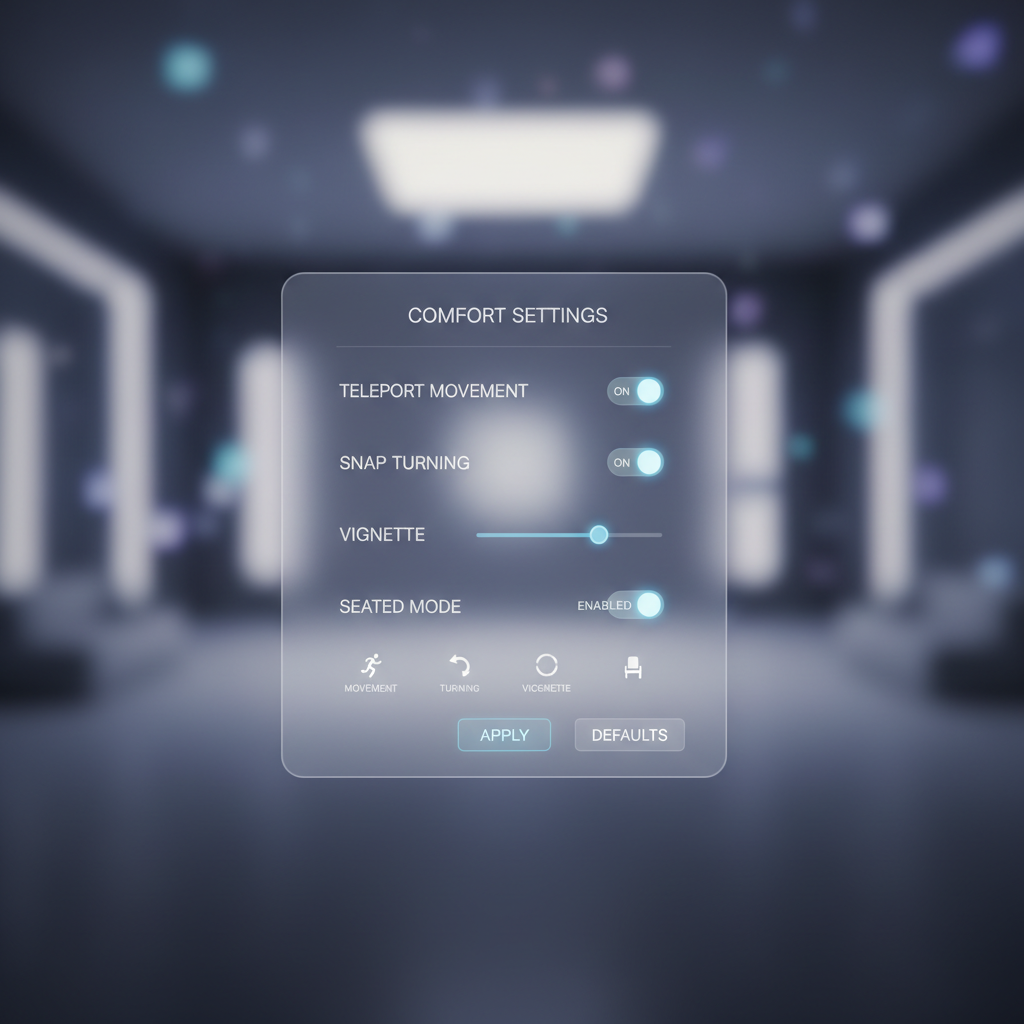
- Locomotion: teleport or stationary is usually easiest, smooth walking is hit-or-miss.
- Turning: snap-turn tends to reduce nausea for many people, smooth turning can be rough.
- Camera motion: forced camera moves, auto-rollercoaster travel, or bobbing often breaks comfort.
- Visual intensity: heavy particles, fast parallax, or busy patterns can feel overstimulating.
- Fail states: anything that grades you, times you, or punishes mistakes can raise tension.
- Audio: harsh loops, sudden volume spikes, or constant voice prompts become fatiguing.
According to the American Academy of Ophthalmology (AAO), taking breaks from near-focus screens can help reduce digital eye strain symptoms, and VR is very much “near-focus” time, so short sessions usually make more sense for relaxation than marathon play.
Practical setup: small tweaks that change the whole vibe
The same app can feel calming or annoying depending on how you set up your space and headset. This is the unglamorous part, but it’s often the difference-maker.
Comfort and safety basics
- Start seated if you’re new or sensitive to motion, you can always stand later.
- Dial in IPD and strap fit, pressure points on cheeks or forehead quietly ruin relaxation.
- Use a fan for airflow, it can reduce discomfort and help orientation.
- Clear the boundary, bumping furniture instantly breaks calm and adds stress.
Session design (keep it relaxing, not endless)
- Use a 10–20 minute timer, stop while it still feels good.
- Match intensity to your energy, if you’re overstimulated, choose passive presence, not puzzles.
- End with a “landing” minute, a quiet scene or slow breathing before taking the headset off.
Recommendations by platform (Quest, PS VR2, PC VR)
For best vr relaxation games 2026, platform matters because comfort features and content libraries differ. Rather than name-dump dozens of titles, here’s how to pick quickly on each ecosystem.
Meta Quest
- Strength: frictionless pickup-and-play, great for short resets and guided sessions.
- What to prioritize: standalone performance stability, seated mode, simple controls.
- Good category matches: meditation apps, ambient nature rooms, cozy sandboxes.
PlayStation VR2
- Strength: strong visuals and audio, immersion can feel “luxury calm” when the app is designed for it.
- What to prioritize: comfort options, movement style, brightness settings.
- Good category matches: scenic experiences, slower narrative exploration, tactile puzzle spaces.
PC VR (SteamVR)
- Strength: widest variety, including niche relaxation experiences and experimental worlds.
- What to prioritize: performance headroom, stable frame rate, simple setup to avoid friction.
- Good category matches: high-fidelity nature sims, creative tools, room-scale calm experiences.
When VR relaxation isn’t helping (and what to do instead)
If you try a few options and still feel tense, it’s not a personal failure, it’s usually a mismatch between stimulus and your current state.
- If you feel dizzy: switch to stationary scenes, reduce motion, shorten sessions, consider talking with a clinician if symptoms persist.
- If you feel more anxious: avoid narrative pressure, choose predictable loops, lower audio intensity.
- If you feel sad or “floaty” after: end with grounding, drink water, look at distant objects, and keep sessions shorter.
According to the Centers for Disease Control and Prevention (CDC), practicing safety basics to prevent falls and injuries at home matters, and VR adds a unique twist since your vision is blocked, so a cleared play space and seated mode are sensible default choices.
Conclusion: the calmest VR is the one you’ll actually use
The real “best” picks tend to be the experiences you can start quickly, stay comfortable inside, and leave feeling a little lighter, which is why comfort settings and session length matter as much as the title itself.
If you want a simple next step, choose one category that matches your goal tonight, then set up a 15-minute session with teleport or stationary movement, and treat it like a short reset you can repeat, not a test you have to pass.