
best vr pet sim 2026 is a tricky search because the “best” game changes fast: headset support updates, comfort settings evolve, and what feels relaxing to one player feels clumsy to another.
If you want a VR pet sim that actually sticks, you usually need three things: interactions that feel responsive, a loop that stays fun after the first hour, and performance settings that keep you comfortable. Miss any one of those, and the cute pet turns into a chore.
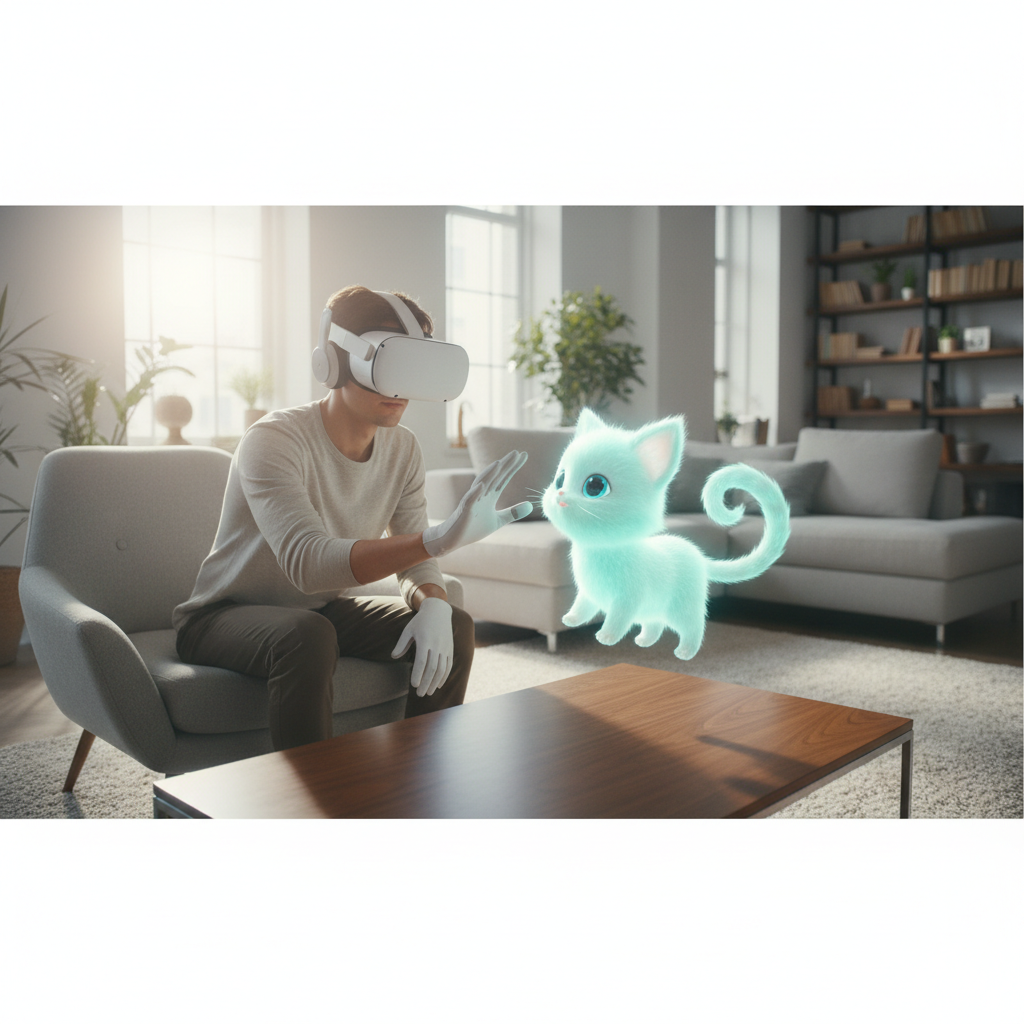
This guide gives you a practical way to choose, even if you haven’t decided between “cozy caretaker” and “training-focused companion.” I’ll also flag common traps, like paying for features you’ll never use or buying something that runs poorly on your setup.
What counts as a “VR pet sim” in 2026 (and what doesn’t)
People use “VR pet sim” to mean a few different things, and the category blur is where bad purchases happen. In most cases, a true pet sim has an ongoing relationship loop: care, training, bonding, and the pet reacting over time, not just a one-off interaction.
- True pet sim: feeding, grooming, training, mood needs, progression, and persistent behavior changes.
- Pet interaction sandbox: petting, playing fetch, minigames, but limited long-term systems.
- Creature companion in a bigger game: great companions, but the game isn’t built around caring for them.
If your goal is “I want a companion I can chill with,” sandbox titles can be enough. If you want “raise a pet over weeks,” you’re looking for persistence, schedules, and believable behavior.
How to pick the best VR pet sim for your setup
Before you compare store pages, decide what your constraints are. This saves money, and it also avoids the classic “looks adorable, makes me nauseous” situation.
1) Comfort and locomotion
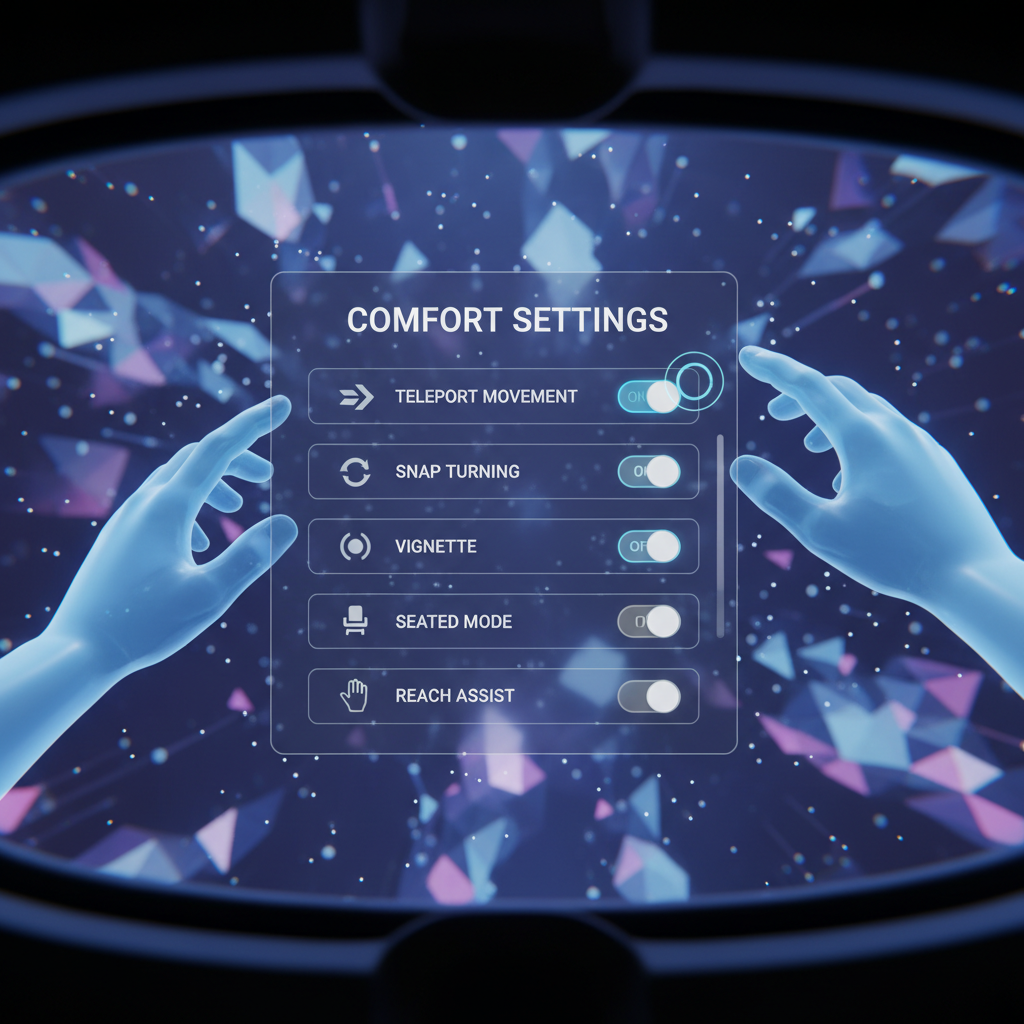
Comfort options matter more in pet sims than people expect, because you often lean, crouch, turn, and reach repeatedly. According to Meta, comfort features like teleport movement, snap turning, and vignette can help reduce motion discomfort for some users, and settings should match your tolerance.
- Look for seated/standing modes, adjustable height, and one-handed interactions.
- Prefer snap turn or room-scale turning if you get motion sensitive.
- Check for reach assist if bending and squatting gets old fast.
2) Input feel: hand tracking vs controllers
Hand tracking can feel magical for petting and feeding, but it can also be inconsistent depending on lighting and headset model. Controllers tend to be more reliable for grabbing toys, throwing, and training cues.
- Hand tracking: best for gentle, close interactions, when supported well.
- Controllers: best for precision, repeated actions, and low frustration.
3) The “loop”: why you’ll come back tomorrow
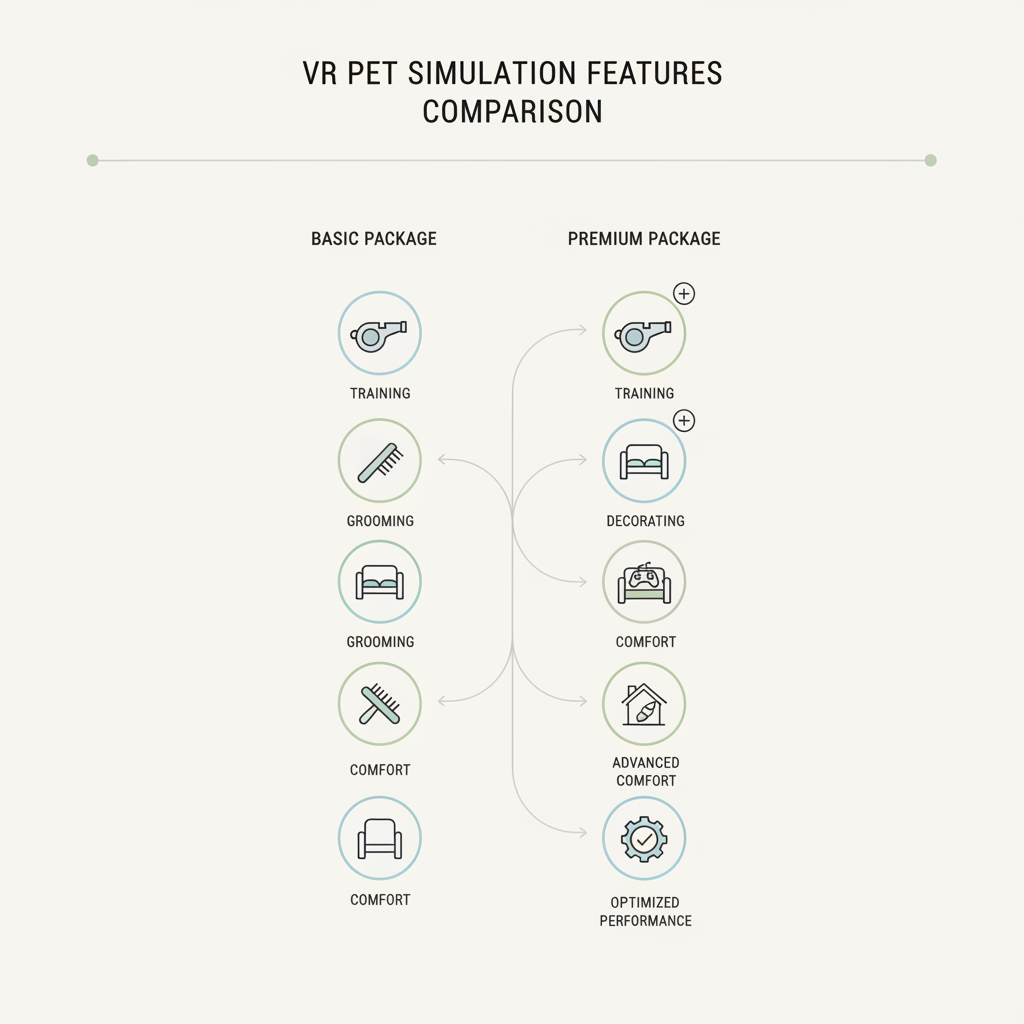
For best vr pet sim 2026 picks, the deciding factor is usually the loop. You want systems that create little decisions: how to train, how to decorate, what activity boosts bonding, how the pet reacts when you change routines.
- Progression: new behaviors, skills, or personalities over time.
- Variety: more than two minigames and a shop.
- Feedback: the pet learns, refuses, gets excited, chills out, surprises you.
Quick comparison table (use this before you buy)
This isn’t a list of specific titles, because store catalogs and updates shift often. Instead, use this table to compare candidates quickly and honestly, without falling for trailer polish.
| What to check | Good sign | Yellow flag | Why it matters |
|---|---|---|---|
| Comfort options | Teleport + snap turn + seated mode | Only smooth locomotion | Pet sims involve lots of close-range movement |
| Interaction fidelity | Hands/controls feel consistent | Frequent mis-grabs or clipping | Small annoyances become dealbreakers over time |
| Persistence | Pet behavior changes and saves | Mostly cosmetic changes | Persistence is what makes it feel like “your” pet |
| Content depth | Multiple activities + goals | One main minigame loop | You’ll burn out quickly without variety |
| Performance | Stable framerate and clear visuals | Stutter during interactions | Stutter can reduce comfort and immersion |
Self-check: which type of VR pet sim player are you?
You’ll pick faster if you admit what you actually want. Many people say “a pet sim,” but they mean “a calming daily ritual,” or “a training toy,” or “a social hangout.”
- The Cozy Caretaker: wants soothing routines, gentle audio, low pressure goals.
- The Trainer: wants tricks, reinforcement, and clear skill progression.
- The Decorator: wants a space to customize, photo mode, collectibles, and vibes.
- The Party Friend: wants multiplayer visits, shared activities, and social features.
If you’re in the Cozy Caretaker camp, prioritize comfort, persistence, and low-friction interactions. If you’re the Trainer, look for clean input handling and depth in behavior systems, not just cute animations.
Hands-on buying checklist (store page + reviews)
When people regret a VR pet sim purchase, it’s usually because they trusted marketing screenshots over the boring details. Use this checklist like a filter.
On the store page
- Supported headsets match yours, including the specific platform version you use.
- Comfort rating and movement options are clearly described.
- Play area requirements fit your space, room-scale can be rough in small apartments.
- Recent update notes show ongoing fixes, not just cosmetic drops.
In reviews (read the “middle” reviews)
- Look for mentions of tracking reliability, grabbing, and pet responsiveness.
- Scan for performance comments on your hardware tier.
- Check whether players mention returning after a week, that’s a better signal than day-one hype.
Practical setup tips to enjoy your VR pet sim longer
Even the best vr pet sim 2026 option can feel worse if your setup fights you. A few small tweaks tend to help more than people expect.
- Define your play boundary a bit wider than you think you need, pet interactions make you drift.
- Use a small floor mat as a “home base” so you know where center is without thinking.
- Adjust height calibration so feeding and petting feel natural, not like reaching down forever.
- Short sessions early if you’re new to VR, comfort builds over time for many players.
If you’re prone to motion sickness, consider avoiding smooth locomotion and fast camera turns. If discomfort persists, it’s sensible to pause and, if needed, consult a healthcare professional, especially if you have vestibular conditions.
Common mistakes (and how to dodge them)
A few patterns show up again and again, especially with first-time buyers.
- Mistake: Buying for visuals alone. Fix: prioritize interaction feel and comfort settings.
- Mistake: Assuming “early access” means “it’ll become deep later.” Fix: buy for what exists now, not promises.
- Mistake: Ignoring space requirements. Fix: choose seated/standing modes if your room is tight.
- Mistake: Overpaying for features you won’t touch. Fix: be honest about whether you want multiplayer, mods, or decorating.
Also, watch for “busywork disguised as care.” If the game nags you with chores but doesn’t reward you with meaningful pet behavior changes, it can feel draining fast.
Conclusion: the “best” choice is the one you’ll actually return to
The best pick usually isn’t the loudest on social media, it’s the one that matches your comfort needs, your interaction preferences, and the kind of relationship loop you enjoy. If you do a quick self-check, compare candidates with the table above, and scan reviews for input feel and performance, you’ll land on something you’ll open again next week.
Action steps: shortlist 2–3 titles, confirm comfort settings and headset support, then choose the one with the clearest long-term loop, not the prettiest trailer.