
Top games with underground city exploration are usually the ones that make the underground feel like a real place, not just a corridor of enemies, you want districts, hidden history, factions, routes that loop back, and that “wait, what is behind that wall” pull.
If you have ever bounced off a “great exploration game” because the map felt like a checklist, it helps to separate two things: games where underground cities are the main course, and games where they show up as a memorable chapter. This guide focuses on the former, with a few smart hybrids.
You will see quick picks, a comparison table, and a simple way to match your mood to the right title, whether you want survival pressure, cozy spelunking, RPG story, or pure metroidvania mapping.
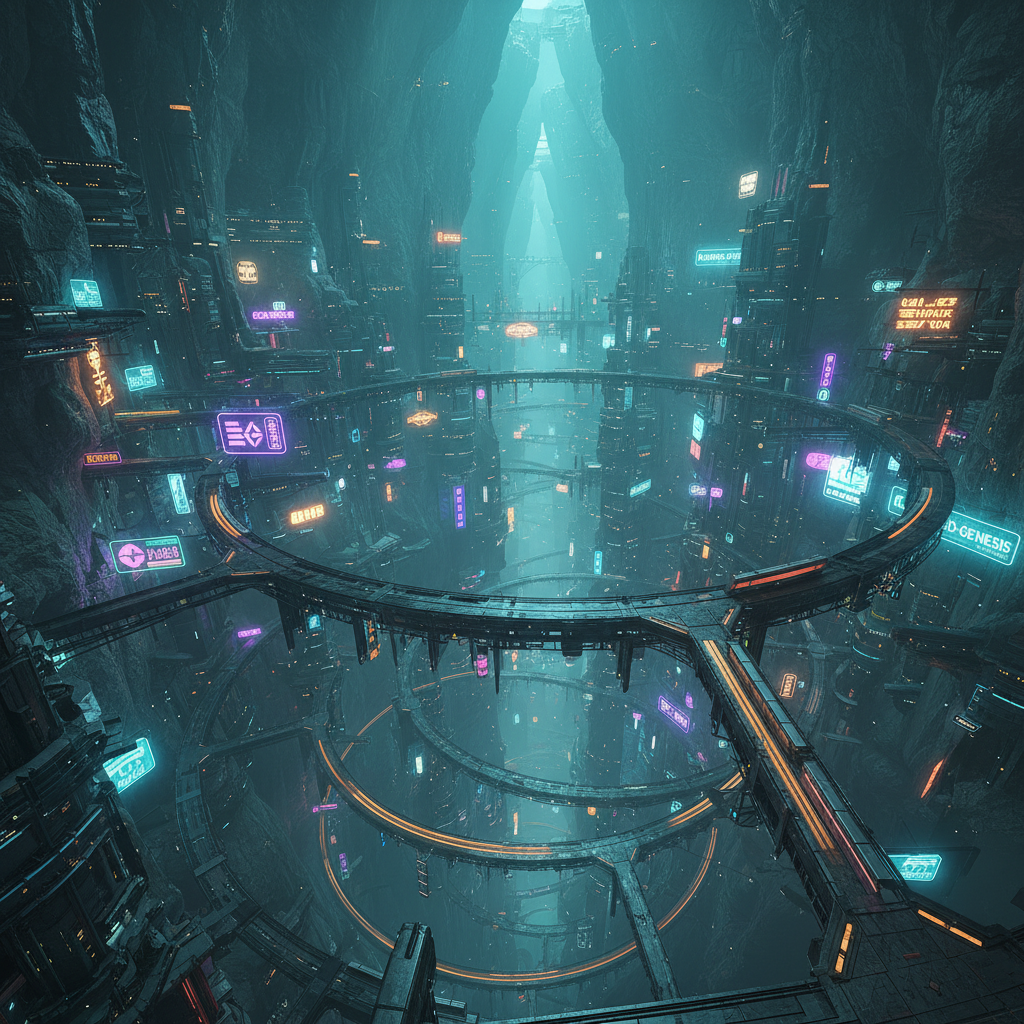
What counts as “underground city exploration” (and what doesn’t)
Players mean different things by this phrase, so here is the practical line. A true underground-city game gives you a network of inhabited spaces, with navigation choices and a sense of urban structure, rather than a single cave level.
- City-like layout: hubs, neighborhoods, transit routes, markets, or settlements that behave like a city.
- Exploration is rewarded: shortcuts, lore, tools, quest lines, or meaningful resources.
- Backtracking feels purposeful: new abilities or knowledge change how you read the space.
- Underground identity: light scarcity, cramped architecture, subterranean ecosystems, or claustrophobic politics.
What usually does not qualify: one-off sewers, random caves, or dungeon floors that could be swapped with any other biome without changing the story.
Quick comparison table (pick by vibe, not hype)
If you just want a fast shortlist, this table does most of the work. Think of it as a “what will my next few nights feel like” filter.
| Game | Underground city feel | Best for | Heads-up |
|---|---|---|---|
| Hollow Knight | Ruined subterranean kingdom with districts | Mapping, atmosphere, tight combat | Can be punishing, navigation takes patience |
| Metro Exodus | Tunnel societies and stations as mini-cities | Immersion, survival tension, story travelogue | Resource management can stress some players |
| Underrail | Deep, layered underworld with factions | CRPG builds, gritty underground politics | Steep learning curve, old-school pacing |
| Fallout (series, select areas) | Vaults and subterranean settlements | RPG roaming, discovery, emergent stories | Underground city focus varies by entry |
| SteamWorld Dig 2 | Mining town above, vast underworld below | Relaxed exploration loop, upgrades | “City” is lighter than in story-heavy RPGs |
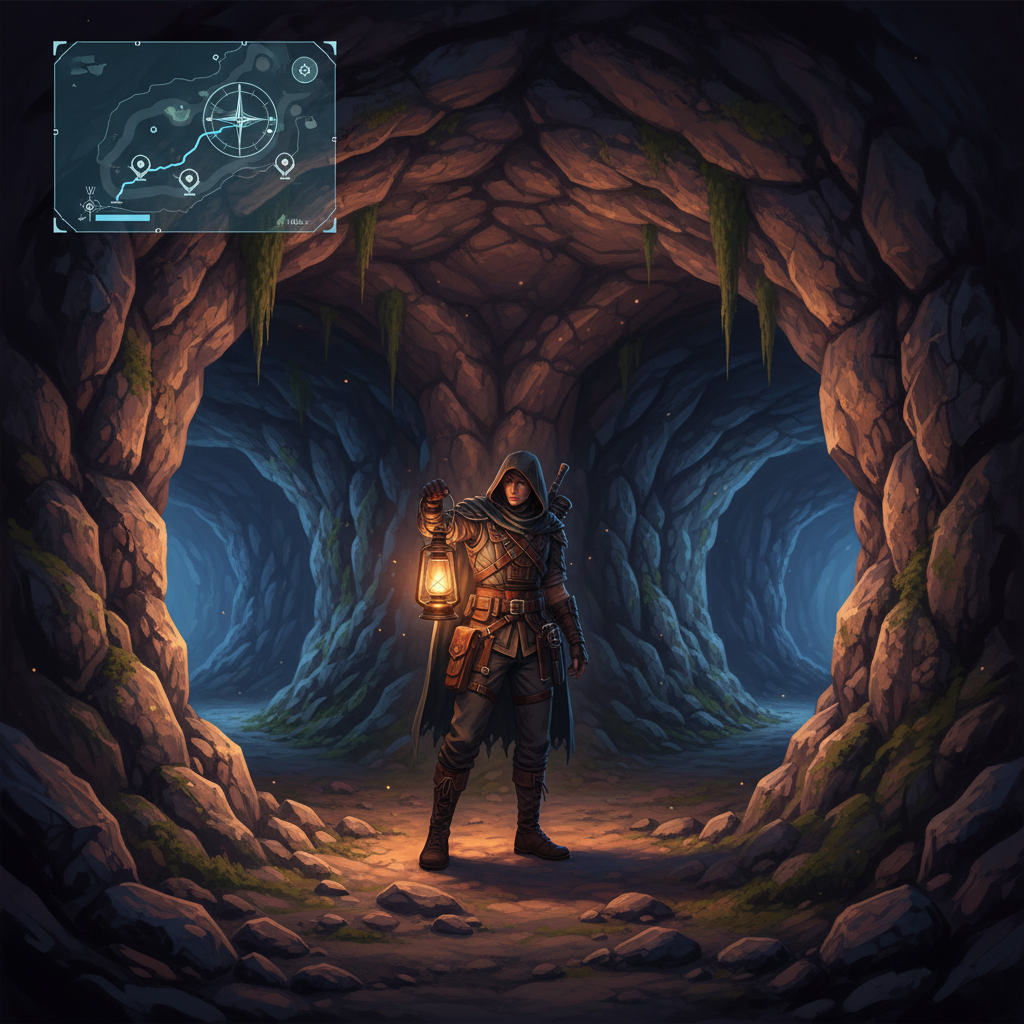
The top games with underground city exploration (editor picks)
Hollow Knight
Hollow Knight gets recommended a lot, but the reason matters: its underground “city” is not one place, it is a whole buried civilization. Each district has its own logic, enemies, soundscape, and shortcuts that slowly click together.
- Why it fits: interconnected districts, strong environmental storytelling, satisfying route planning.
- If you like: drawing your own mental map, finding hidden lore rooms, precision combat.
Metro Exodus (and the Metro series DNA)
If your mental image of underground city exploration is “people surviving in tunnels, trading, arguing, building rules,” Metro is a core reference. Even when Exodus opens up, the series identity stays rooted in station-as-city life and the psychology of living below.
- Why it fits: strong subterranean culture, survival stakes, grounded worldbuilding.
- Good to know: stealth and ammo economy shape how bold you can be.
Underrail
Underrail is one of the clearest “this is an underground world, full stop” CRPGs. It leans into factions, trade, paranoia, and the practical reality of moving between subterranean hubs. If you want choice-heavy exploration with buildcraft, it belongs high on the list.
- Why it fits: multi-hub underworld, meaningful faction dynamics, exploration tied to character build.
- Who should pass: players who want fast onboarding and constant handholding.
SteamWorld Dig 2
This one hits a different nerve: the loop is clean, upgrades feel immediate, and the underground keeps unfolding in a way that stays friendly. It is not “urban politics underground,” but it still captures that layered descent feeling that exploration fans chase.
- Why it fits: rewarding dig-and-discover loop, clear progression, low friction.
- Best mood: you want discovery without stress.
Fallout (select entries and areas)
Fallout is a bit of a “depends which one, and where” answer, but vaults and underground facilities remain some of the series’ best exploration spaces. When it works, the underground sections feel like sealed cities with their own rules, and the reveal is the whole point.
- Why it fits: vault stories, hidden experiments, strong sense of place.
- Reality check: not every Fallout game centers underground living, so pick based on what you want.
How to tell which game fits you in 60 seconds
This is the part most “top list” articles skip. Before you buy anything, answer these quickly, your match becomes obvious.
- I want a living underground society: pick Metro or Underrail.
- I want to get lost on purpose, with shortcuts and secrets: pick Hollow Knight.
- I want a lighter, upgrade-driven exploration loop: pick SteamWorld Dig 2.
- I want story reveals in contained underground communities: look at Fallout vault-heavy play.
If you are sensitive to stress, note the difference between “tense because it is scary” and “tense because I might waste resources.” Those are two separate flavors, and they change enjoyment a lot.
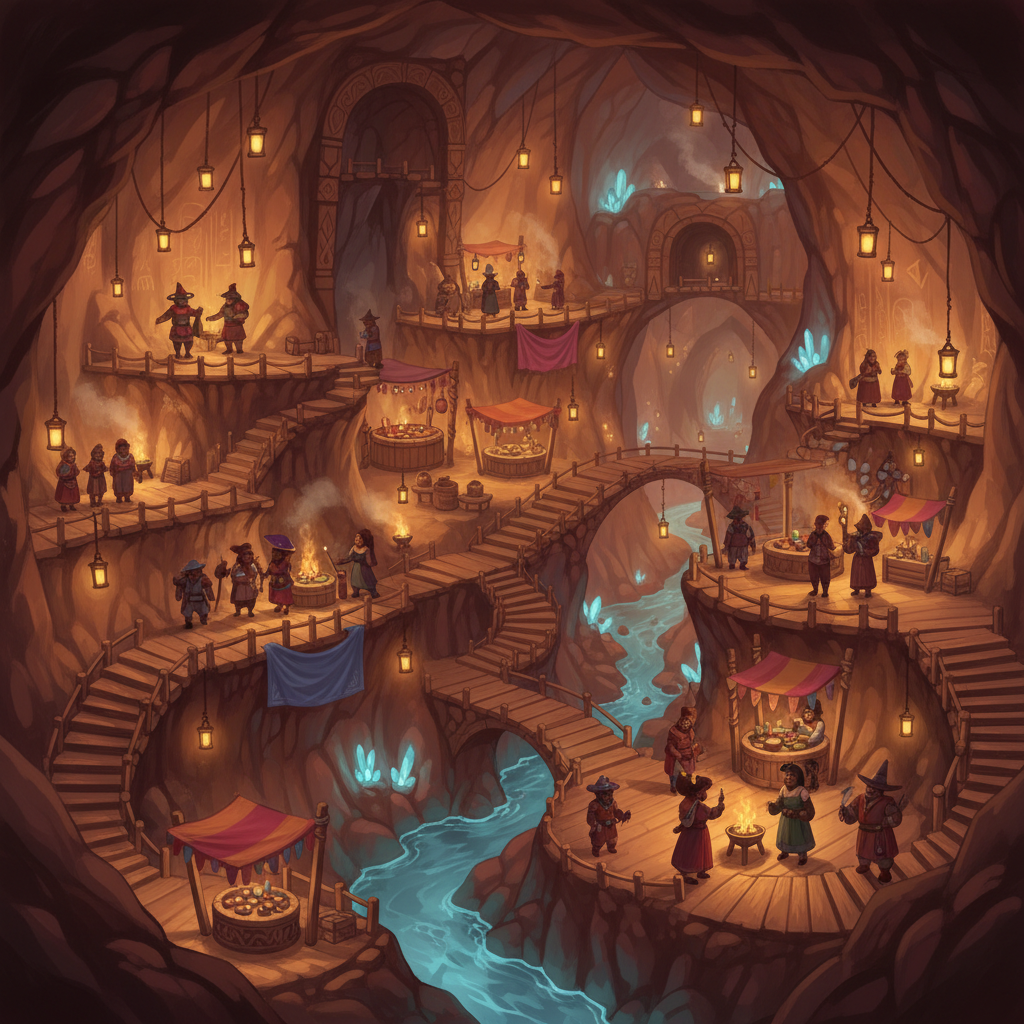
Practical tips to enjoy underground exploration more (without burning out)
Even the top games with underground city exploration can feel like work if you play them like a completion spreadsheet. A few habits make the whole genre click faster.
Use “landmarks,” not just waypoints
Train your brain to remember one or two visual anchors per area, a statue, a broken bridge, a neon sign, a unique sound. It cuts down the “I’m lost and annoyed” loop.
Rotate goals: loot run, lore run, route run
- Loot run: go in with a resource target, then leave.
- Lore run: follow one thread, notes, NPCs, murals, terminals.
- Route run: hunt shortcuts and connections, not items.
When you switch goals on purpose, repetition stops feeling like grinding.
Adjust difficulty for exploration, not ego
If combat blocks exploration, lower difficulty or tweak accessibility options when available. According to Xbox, accessibility features can include difficulty adjustments and control options that help more people enjoy games, and using them is a normal way to play.
Common mistakes when shopping this subgenre
- Confusing “underground level” with “underground city”: sewers are not automatically a city, look for hubs and culture.
- Over-indexing on screenshots: underground cities live or die on navigation flow and sound design, not one pretty room.
- Buying for length: a tighter game with strong areas often beats a huge map with thin rewards.
- Ignoring your stress triggers: stealth pressure, resource scarcity, or harsh death penalties can ruin the vibe even if reviews love it.
If you are shopping on Steam or console stores, scan tags like “Metroidvania,” “CRPG,” “Survival,” and “Immersive Sim.” They usually predict the moment-to-moment feel better than “exploration.”
When guides, mods, or community help actually make sense
Sometimes you do everything “right” and still bounce. That is not a failure, it just means the friction outweighs the fun right now.
- Use a spoiler-light map if you keep looping the same tunnels for 30 minutes.
- Look up build basics for complex RPGs like Underrail, a bad early build can lock you into frustration.
- Consider accessibility mods if visual contrast or UI scale makes underground navigation tiring.
For anything that touches health, like motion sickness or eye strain, it can help to adjust FOV and motion blur, and if symptoms persist, consider asking a medical professional for advice.
Conclusion: pick the underground city that matches your mood
The best underground exploration experience is the one you will actually stick with, Hollow Knight for interconnected ruins, Metro for society-in-the-tunnels tension, Underrail for faction-heavy CRPG depth, SteamWorld Dig 2 for a cleaner upgrade loop, and Fallout when you want self-contained underground stories.
If you want a simple next step, choose one game from the table based on stress level and exploration style, then give it two sessions before judging, underground worlds tend to “open” after the first layer of confusion fades.
Key takeaways
- Underground city means hubs, culture, and navigable districts, not just caves.
- Match your pick to your tolerance for resource pressure and navigation friction.
- Shortcuts, landmarks, and rotating goals make exploration feel rewarding again.
FAQ
What are the top games with underground city exploration if I hate getting lost?
Look for games with clearer progression and readable maps, SteamWorld Dig 2 is often friendlier than pure metroidvanias. If you still want atmosphere, using a spoiler-light map for Hollow Knight can keep it fun without turning it into homework.
Are metroidvanias usually the best fit for underground city exploration?
Many of them are, because the genre is built around interconnected spaces and ability-gated shortcuts. That said, CRPGs like Underrail can deliver a stronger “people live here” city feeling, even if combat and builds take more effort.
Which game feels most like a real underground society with stations and trade?
Metro is the most direct match in tone and worldbuilding, stations feel inhabited and politically charged. Underrail also fits, but its vibe leans more systemic and build-driven than cinematic.
I want exploration first, combat second, what should I pick?
SteamWorld Dig 2 tends to keep friction low while still rewarding curiosity. In other titles, using difficulty options to reduce combat pressure can shift the balance back toward exploration.
Do Fallout games count as underground city exploration?
They can, but it varies by entry and by how you play. Vault-heavy exploration scratches the “sealed underground community” itch, while general wasteland roaming is a different fantasy.
What should I look for in store pages to avoid mismatched expectations?
Scan for tags that reveal the core loop: “Survival” usually means resource pressure, “CRPG” signals build complexity, “Metroidvania” signals backtracking and maps. Trailers that show hubs, NPCs, and transit routes often indicate a stronger underground-city focus.
If you are trying to choose between two games with underground city exploration and want a quicker call, share what you liked and disliked about your last exploration game, and whether you prefer story, mapping, or survival tension, it is usually enough to narrow it to one pick without guesswork.