
best vr hunting sim 2026 is a search that usually means you want one thing: a hunting game that feels believable in VR, runs smoothly on your headset, and doesn’t turn your first hour into a nausea test.
The tricky part is that “best” changes fast in VR, patches land, headsets refresh, and what feels realistic to one player feels slow to another, so a simple top-10 list rarely helps you pick the right sim for your setup.
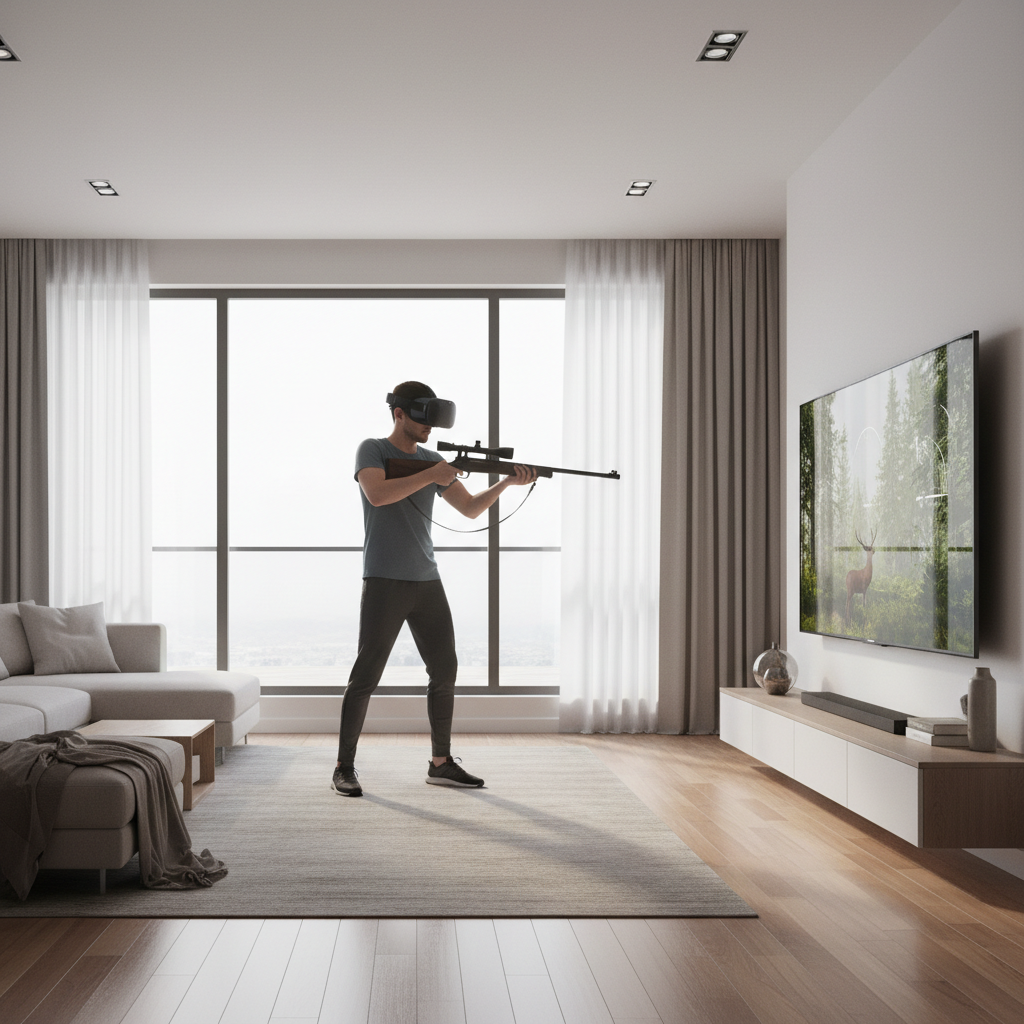
This guide stays practical, what “VR hunting sim” tends to include in 2026, what features matter most, where people overspend, and how to test-fit a game to your headset and tolerance before you commit.
What counts as a “VR hunting sim” in 2026
In 2026, most “hunting” VR titles fall into three buckets, and mixing them up is where buyer’s remorse starts.
- Simulation-first: slower pacing, tracking/spotting, wind/scent concepts, ethical shot placement, longer hunts.
- Action-leaning hunting: quicker encounters, lighter realism, more gear progression, sometimes arcade scoring.
- Range + weapon handling: less wildlife behavior, more focus on firearm mechanics, optics, reload flow, and accuracy.
If you want the feel of being outdoors, prioritize believable animal behavior, audio directionality, and distance readability, if you mostly want “gun feel,” prioritize controller mapping, two-hand stability options, and optic clarity.
Quick comparison table: how to choose “best” for your setup
Instead of pretending there’s one universal winner, this table helps you match your priorities to a sensible “best for” category, then you can shortlist two or three titles and test them.
| What you care about most | Look for in a VR hunting sim | Likely “best for” outcome |
|---|---|---|
| Realism and immersion | Animal AI, wind/scent systems, slow pacing, believable ballistics | Sim-first hunting experience |
| Comfort and smoothness | Multiple locomotion modes, snap turn options, vignette, seated play | Comfort-focused VR hunting title |
| Weapon handling | Two-hand support, adjustable aim stabilization, clear optics, reloading | Gunplay-forward hunting or range hybrid |
| Big visuals and long draw distance | PC VR support, scalable graphics, good performance tools | PC VR “showpiece” hunting sim |
| Easy entry and low hassle | Standalone optimization, clear tutorials, simple menus | Standalone-friendly hunting game |
Key point: “Best VR hunting sim 2026” often ends up being “best for your headset + your comfort settings,” not the highest-rated trailer.
Why people get disappointed: the usual mismatch problems
Most frustration comes from expectations that don’t match how VR hunting actually plays.
- Expecting constant action: many sim-leaning hunts include long scanning stretches, that’s the point, but it can feel empty if you want quick encounters.
- Underestimating motion comfort: smooth locomotion plus scanning distant terrain can trigger discomfort faster than you’d think.
- Controller-to-weapon mismatch: holding controllers “like a rifle” sounds simple, but alignment, handedness, and stock support options vary a lot by game.
- Audio and spotting issues: if the game’s foliage, lighting, or audio mix makes tracking hard, it can feel unfair rather than realistic.
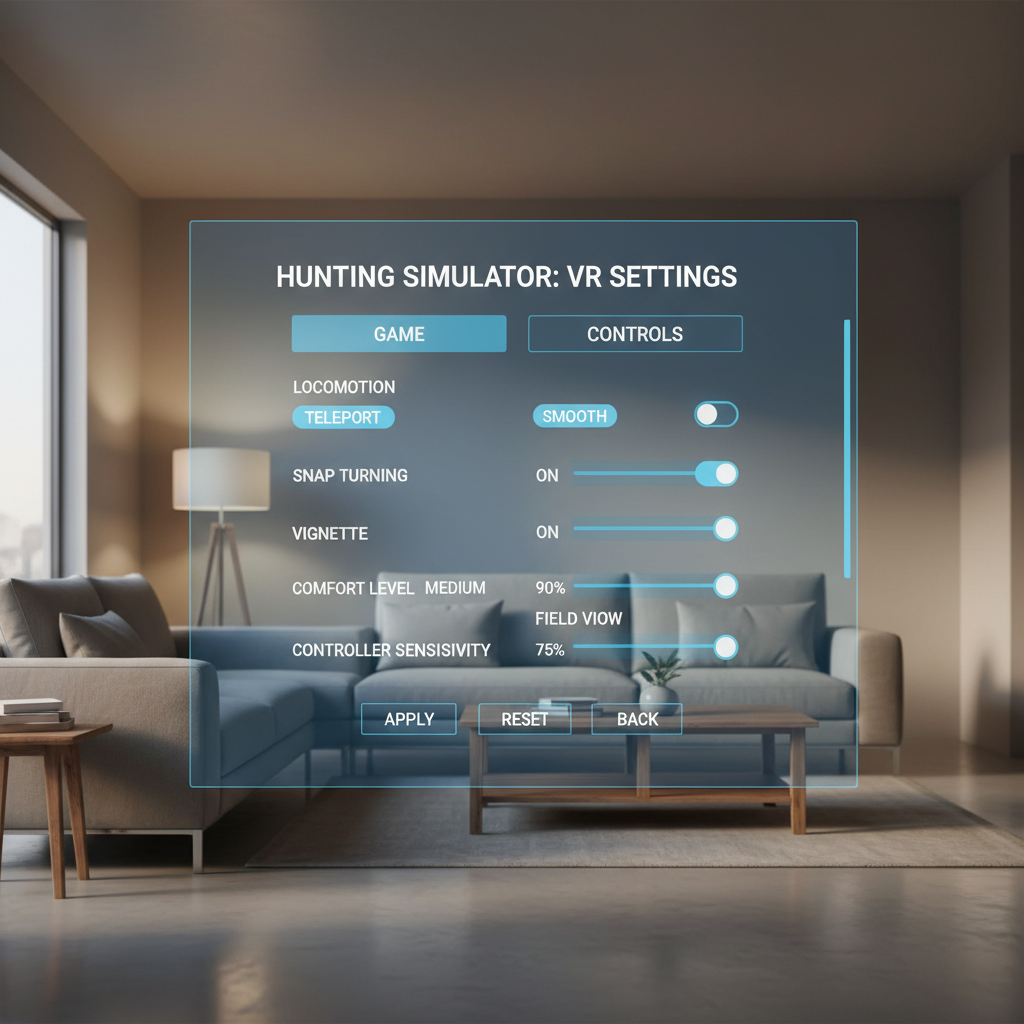
According to the American Academy of Otolaryngology–Head and Neck Surgery (AAO-HNS), motion sickness can be influenced by sensory mismatch, in VR terms that often means what your eyes see doesn’t match what your body feels, so comfort options are not “for beginners,” they’re basic fit-and-finish.
A fast self-check: which “best VR hunting sim 2026” are you actually looking for?
Pick the answers that sound most like you, then use the matching recommendation style when you shop.
- You want slower, more realistic hunts → prioritize sim systems, difficulty tuning, and readable tracking tools, accept longer sessions.
- You want to jump in for 20 minutes → prioritize fast travel, short missions, clear objectives, and lighter penalties.
- You get queasy easily → prioritize teleport/seated modes, snap turning, and stable horizon design.
- You care about clean aiming → prioritize calibrated two-hand aiming, adjustable weapon offset, and optic clarity.
- You’re on standalone → prioritize performance stability over ultra foliage density, shimmering trees ruin distance spotting.
If your list hits “queasy easily” plus “clean aiming,” your best experience often comes from comfort-first settings and smart weapon calibration, even if you sacrifice a little realism.
What to evaluate before you buy (features that matter more than hype)
1) Locomotion and comfort controls
Even strong games can feel bad if your movement options don’t fit you, look for teleport and smooth, snap and smooth turn, and adjustable vignette strength.
2) Spotting readability at distance
Hunting games live and die on distance clarity, antialiasing, contrast, and lighting balance matter more than raw “graphics,” because you’re scanning for movement and silhouettes.
3) Weapon handling options
Two-hand stabilization, handedness toggles, weapon pivot settings, and adjustable offsets help a lot, especially if you use a physical stock or play seated.
4) Animal behavior and encounter pacing
Some titles spawn wildlife close to keep action moving, others make you work for it, neither is “wrong,” but it changes the entire feel.
5) Progression and repeatability
Ask yourself whether you want mastery loops, gear unlocks, and challenges, or whether you want pure sandbox hunts with minimal grind.
Practical setup tips: get a better hunt in the first hour
These steps are boring, but they’re what separates “this is janky” from “this feels right.”
- Calibrate height and floor: small errors change weapon angle and sight picture, then you blame the game.
- Start with snap turn: you can always switch later, but comfort problems early on tend to stick in your head.
- Lower motion intensity before you lower difficulty: many players turn difficulty down when the real issue is movement discomfort.
- Set brightness/contrast for spotting: if your headset or in-game gamma crushes shadows, tracking becomes guesswork.
- Practice dry-firing at a range: spend five minutes learning the reload and optic behavior, you’ll miss less and feel more in control.
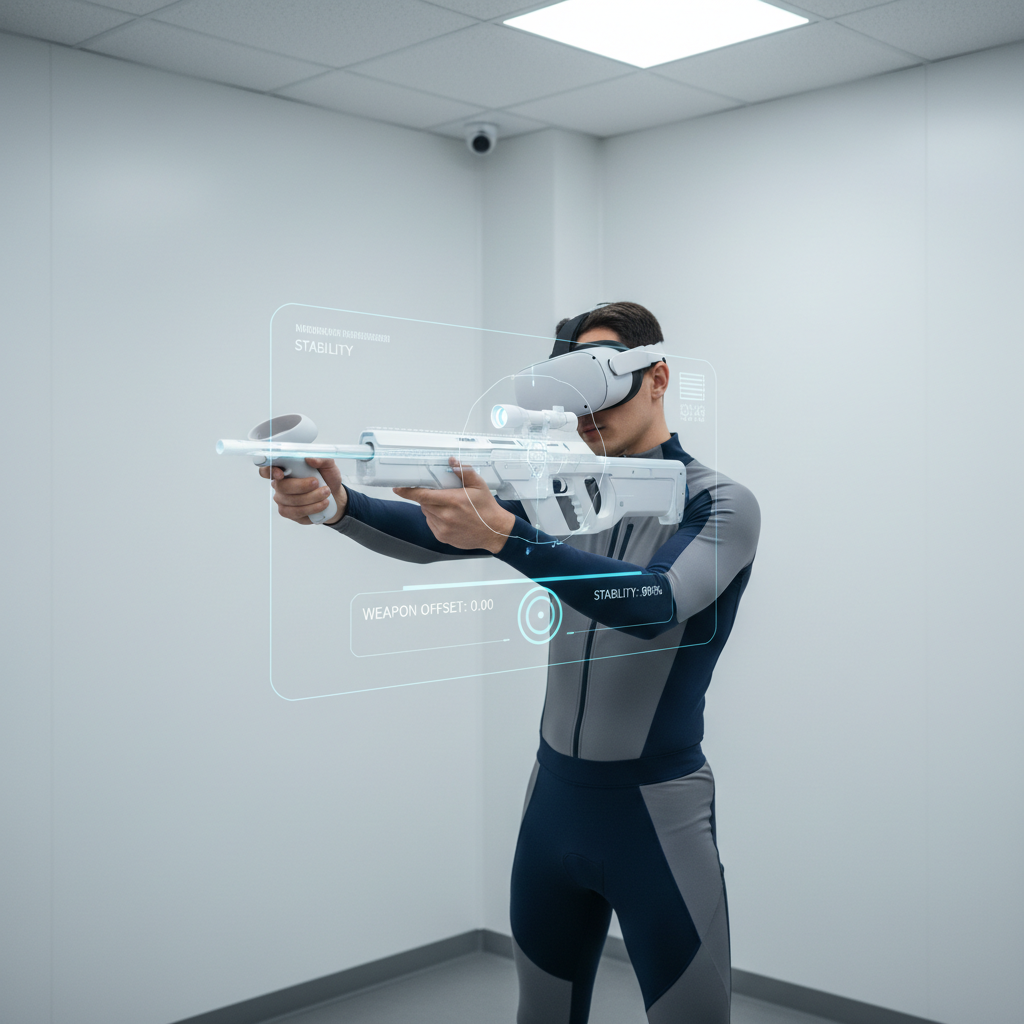
Quick reality check: if a game supports “virtual stock” or aim smoothing, it’s not cheating in most cases, it’s compensation for the fact you don’t have a real shoulder weld and cheek weld in mid-air.
Common mistakes (and what to do instead)
- Mistake: buying based on screenshots
Do instead: watch raw gameplay that shows UI, movement, and spotting at distance, not just close-up animal shots. - Mistake: assuming PC VR always feels better
Do instead: prioritize stable frame rate and low stutter, a “prettier” build that drops frames can feel worse than a simpler one. - Mistake: ignoring play space
Do instead: plan for safe turning and draw motions, clear a small radius, and use boundary warnings. - Mistake: cranking difficulty early
Do instead: learn wind, range estimation, and shot placement with forgiving settings, then raise realism once the loop clicks.
If you’re shopping for the best vr hunting sim 2026 and you already know you dislike long downtime, filter out heavy sim pacing early, otherwise you’ll keep bouncing between games without really enjoying any of them.
When to pause and get extra help (comfort and safety)
If you feel nausea, dizziness, eye strain, or headaches, it’s usually smarter to stop and adjust settings than to “push through,” many people adapt over time, but forcing it can make your tolerance worse.
According to the Centers for Disease Control and Prevention (CDC), dizziness and balance issues can increase fall risk, in VR that translates to real-world safety, so consider seated play, take breaks, and keep your play area clear, if symptoms persist or feel intense, checking with a healthcare professional is a reasonable move.
Conclusion: how to land on the right pick this year
The most reliable way to choose the best vr hunting sim 2026 is to decide what you want to feel in-session, calm stalking realism, quick missions, or satisfying weapon handling, then buy the title that matches that loop and supports the comfort options you actually use.
If you do one thing today, make it this: pick two candidates, watch uncut gameplay for movement and spotting, then plan a 30-minute “calibration session” before you judge the game, that small ritual saves a lot of frustration.
Key takeaways
- “Best” depends on pacing, comfort, and platform, not just realism claims.
- Distance readability is more important than ultra foliage density for hunting feel.
- Weapon calibration can transform accuracy and enjoyment in minutes.
- Comfort settings are normal, especially for long scanning and smooth movement.
FAQ
What is the best vr hunting sim 2026 for beginners?
Usually it’s the one with clear tutorials, flexible locomotion, and forgiving early progression, beginners benefit more from comfort options and readable UI than from ultra-realistic penalties.
Is PC VR required to enjoy a VR hunting sim?
No, but PC VR often helps with draw distance and sharper visuals when configured well, standalone can still be great if performance stays stable and spotting remains clear.
How do I reduce motion sickness in hunting VR games?
Start with snap turning, try teleport or slower smooth speed, add vignette if available, and play shorter sessions, if symptoms keep coming back, consider seated mode or talk with a professional.
What features matter most for realistic bow hunting in VR?
Look for consistent hand tracking, stable anchor point behavior, tuning for draw length, and good audio cues, bow feel varies a lot between games, so raw gameplay footage helps.
Why do I miss shots even when my aim looks correct?
Common causes include incorrect height calibration, weapon offset settings, unstable two-hand tracking, and scope parallax behavior, spending a few minutes in a range or training area often fixes it.
Are gun stocks worth it for VR hunting sims?
They can help consistency, especially for scoped shots, but compatibility varies by headset and game, if you play seated or switch weapons often, a virtual stock setting might be the simpler win.
How can I tell if a hunting sim has “too slow” pacing for me?
Watch a full hunt video, if you feel impatient during scanning and tracking segments, you’ll probably prefer mission-based or action-leaning hunting rather than pure sim pacing.
If you’re trying to narrow down the best vr hunting sim 2026 without burning a weekend on research, a simple approach is to list your headset, your comfort limits, and whether you want sim pacing or quick hunts, then compare only games that match those three, it’s less exciting than chasing hype, but it works.