
Best vr gaming trends 2026 isn’t just a hype phrase, it’s the shortlist of shifts that will change what you buy, how you play, and what “good VR” even feels like at home.
If you’ve been following VR for a while, you’ve probably felt the whiplash: new headsets, new tracking features, new storefront rules, and a steady stream of “must-have” accessories that don’t always deliver. In 2026, the gap between marketing and what actually improves comfort, immersion, and game variety still trips people up.
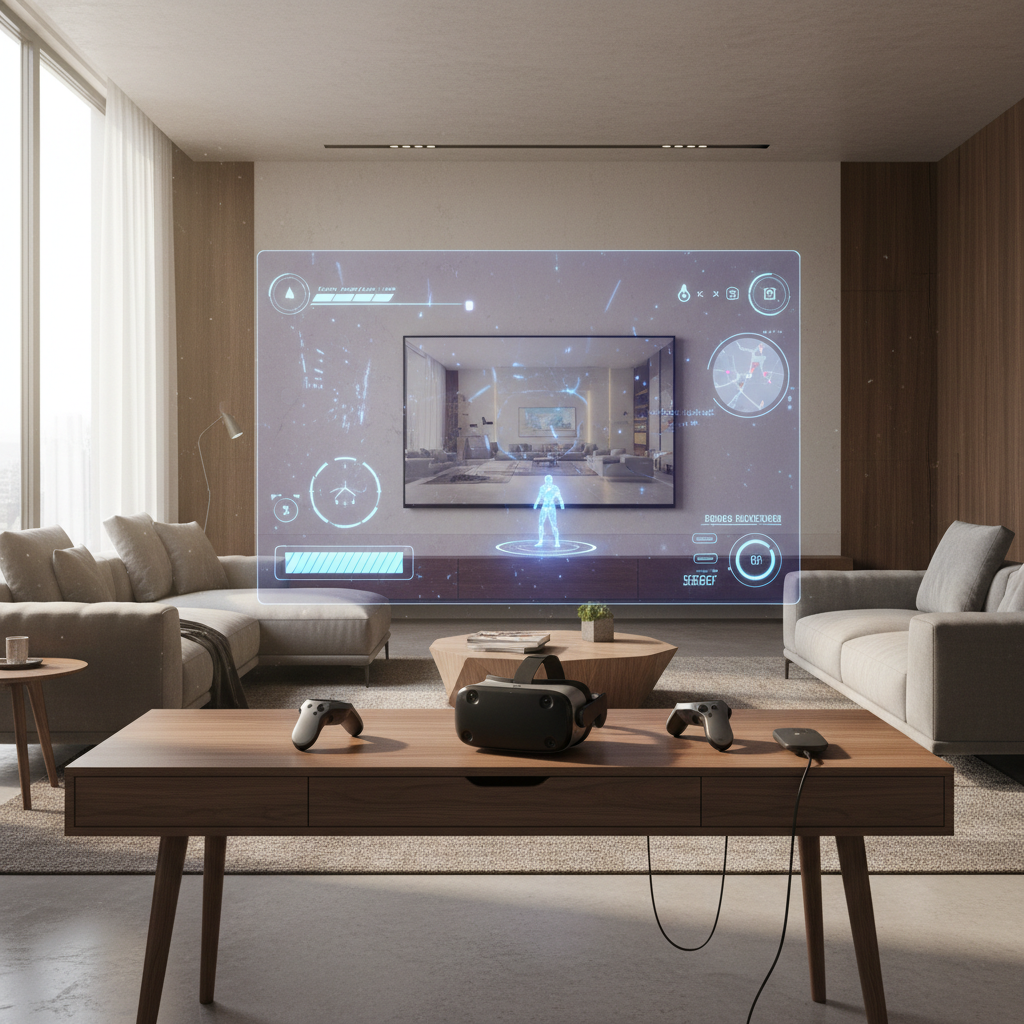
This guide keeps it grounded: what trends are likely to matter for real players, how to tell if a trend applies to your setup, and a few practical upgrade paths depending on budget and play style.
Key takeaways: expect more mixed reality use, smarter on-device tracking, better comfort expectations, and a stronger “social + creator” layer around VR games, but not every trend is worth paying for on day one.
What’s actually driving VR in 2026 (beyond the buzz)
Most of the best vr gaming trends 2026 come from a few forces that keep repeating, regardless of which headset brand you prefer.
- Hardware maturity: displays, lenses, and inside-out tracking are “good enough” for mainstream, so companies compete on comfort, software features, and ecosystem perks.
- Mixed reality as a default feature: passthrough is no longer a novelty, games use your room on purpose.
- Rising expectations for ergonomics: players now compare VR comfort to console and PC sessions, not to “early adopter pain.”
- Content economics: studios chase retention, social play, and UGC because single-purchase VR games can be risky to fund.
According to the U.S. Consumer Product Safety Commission (CPSC), consumer guidance around safe product use tends to emphasize following manufacturer instructions, keeping play areas clear, and supervising children around powered devices, which matters more as VR becomes more physical and more common in family spaces.
Trend #1: Mixed reality (MR) becomes the everyday way to play
In 2026, mixed reality shows up less as a tech demo and more as a practical design tool: onboarding in your living room, UI pinned to your wall, and gameplay that respects furniture boundaries instead of fighting them.
Where this helps most is comfort and accessibility, because MR reduces disorientation for many players and makes short sessions easier to jump into. It also makes party play less chaotic, since spectators can understand what’s happening.
- What to look for: stable low-latency passthrough, clear text readability, reliable room mapping.
- What to be skeptical about: MR “skins” that add little beyond a see-through background.
If you share a space with roommates or family, MR-friendly games are often the difference between “I play twice a month” and “this is actually part of my routine.”
Trend #2: Controller-free hand tracking gets useful (but not universal)
Hand tracking has been “almost there” for years. In best vr gaming trends 2026 discussions, the real shift is that more games use it for specific moments rather than trying to replace controllers completely.
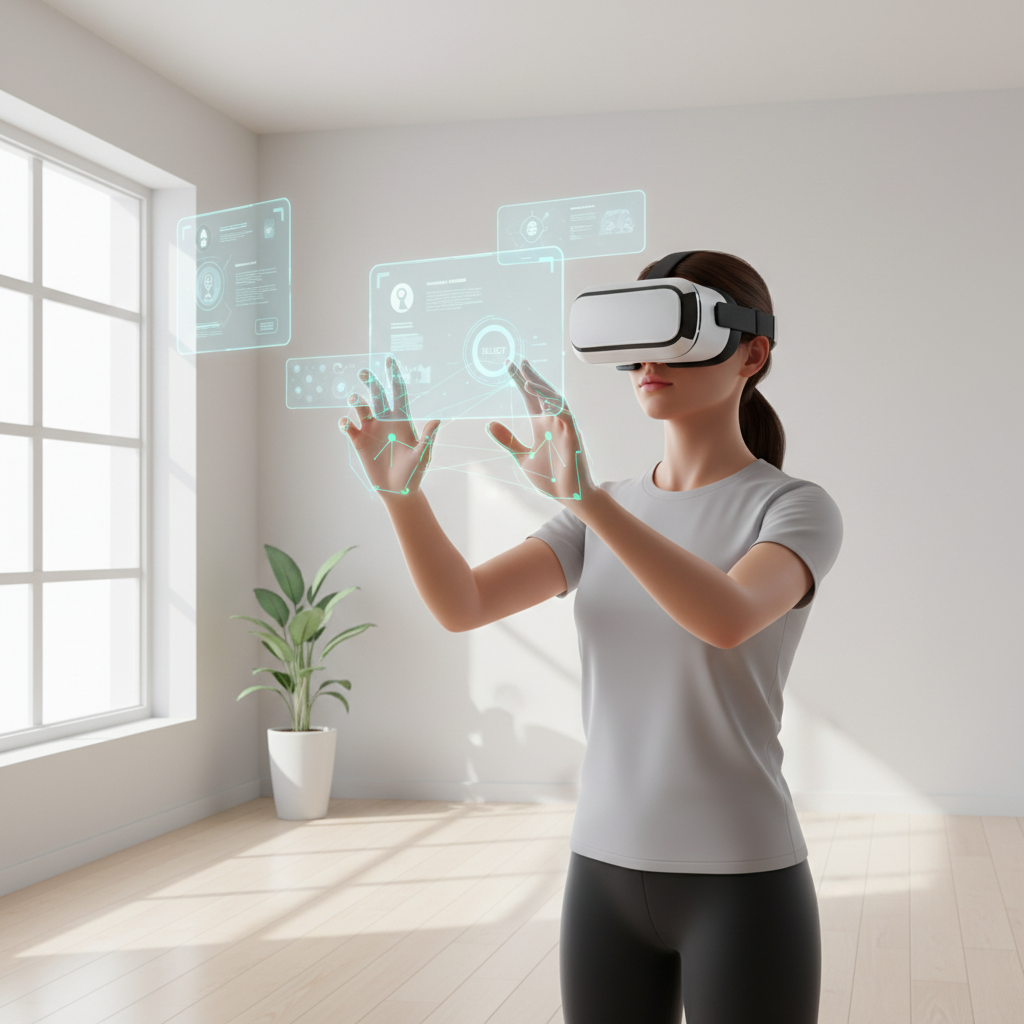
Think: hand tracking for menus, social gestures, puzzle interactions, or quick MR mini-games, and controllers for anything timing-heavy or competitive. That hybrid approach is where it finally feels “normal.”
Quick reality check
- If you play rhythm, shooters, or anything with tight parry windows, controllers still win.
- If you play seated, narrative, or MR casual, hand tracking can remove friction.
- If your room lighting changes a lot, hand tracking quality can vary, so test before you commit.
Trend #3: Body tracking expands, but expectations need calibration
Full-body tracking looks incredible in clips, and it will keep improving in 2026, but a lot of players buy into it expecting instant “ready player one” movement. Reality is more mixed.
Some solutions rely on extra sensors, some use camera-based estimation, and some offer partial tracking that mainly boosts social presence. For many people, the sweet spot is not perfect biomechanics, it’s better avatar expressiveness in co-op and social games.
- Worth it when: you spend hours in social VR, dance/fitness experiences, or creator-focused worlds.
- Maybe skip when: you mostly play solo action games, or you hate managing extra charging and pairing.
Also, if you have mobility limitations or joint concerns, it’s smart to treat intense tracking/fitness experiences as optional, and consider talking with a healthcare professional if you’re unsure what intensity is appropriate.
Trend #4: “Comfort-first” design becomes a purchase criterion
One of the best vr gaming trends 2026 is honestly less glamorous: comfort stops being an afterthought. More players now judge headsets by pressure distribution, heat, lens clarity edge-to-edge, and how fast you can get a good fit.
Developers follow that shift too, because comfort expands the playable audience. Expect more games to offer robust comfort settings that don’t ruin the experience.
Comfort features that tend to matter in real life
- Reliable IPD adjustment (interpupillary distance), because eye strain ruins sessions fast.
- Stable head strap geometry that doesn’t need constant re-tightening.
- Thoughtful locomotion options: snap turning, vignette, seated mode, hand-directed movement.
- Clear boundary systems that don’t nag, but also don’t fail quietly.
According to the American Academy of Ophthalmology (AAO), eye comfort can vary from person to person with screens and visual tasks, so if you notice headaches, dryness, or persistent blur after VR, taking breaks and adjusting fit/visual settings is a sensible first step, and persistent symptoms merit professional advice.
Trend #5: VR games lean into live service, UGC, and “watchability”
In 2026, VR gaming continues to borrow proven patterns from flat gaming: seasons, events, cosmetic economies, and creator tools. Some of that is genuinely good for players, some is just monetization in new clothing.
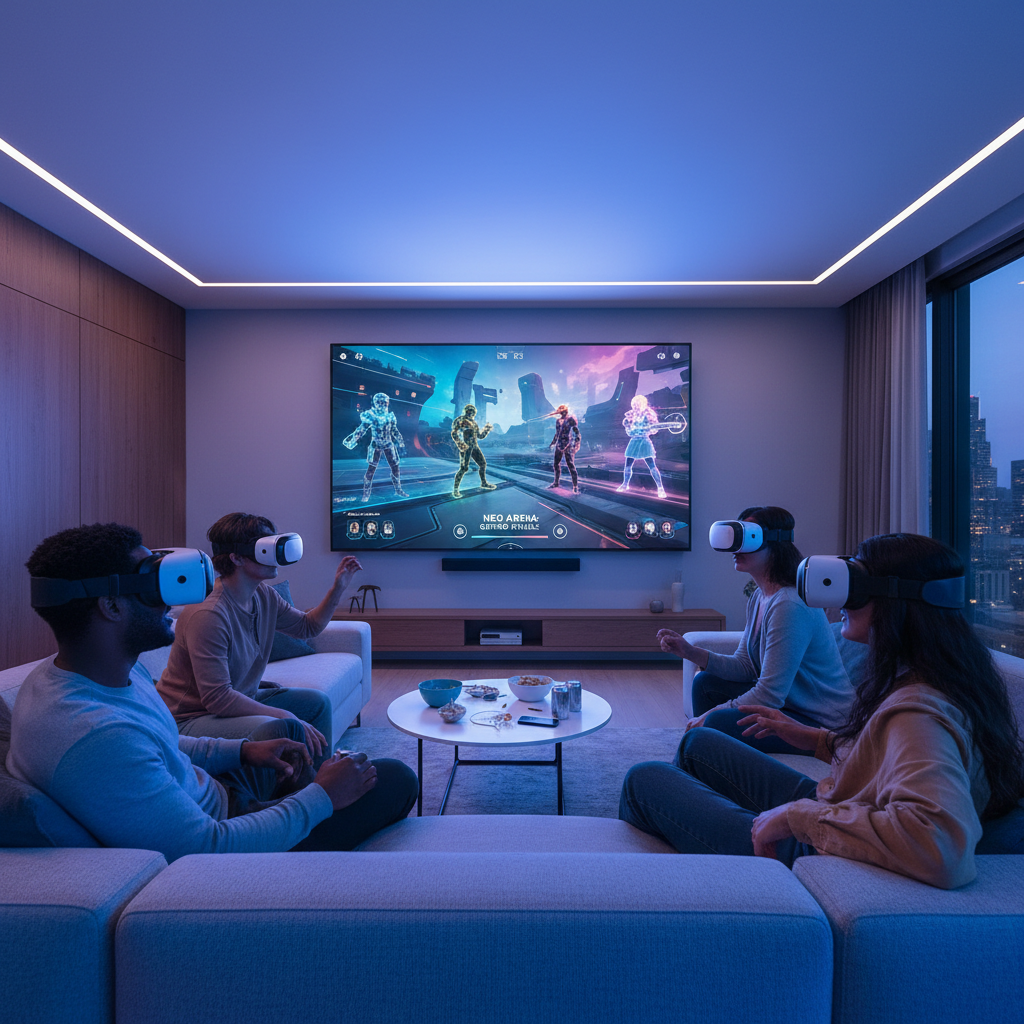
What’s different in VR is the social stickiness: people come back for communities, not just content drops. If you enjoy co-op, this trend is a win. If you prefer contained single-player campaigns, you’ll want to filter more aggressively.
- Healthy signs: clear roadmaps, playable content without constant upsells, respectful progression.
- Red flags: paid power, grindy gates that block basic fun, FOMO-heavy timers.
Trend #6: PCVR vs standalone matters less, but performance literacy matters more
The “platform war” energy is fading. What replaces it is a more practical question: what framerate stability can your setup sustain, and what trade-offs are acceptable in your favorite genres.
For best vr gaming trends 2026, this shows up as smarter scaling, better reprojection techniques, and more tools that help devs target stable performance. Still, you can’t fully escape physics: smoother VR usually needs more headroom than flat gaming.
A quick comparison table you can actually use
| Play style | Standalone makes sense when… | PCVR makes sense when… |
|---|---|---|
| Casual MR + party play | You want fast setup, fewer cables, easy sharing | You also want streaming overlays, mods, or higher fidelity captures |
| Competitive rhythm / shooters | Your device runs the title smoothly with low latency | You need higher refresh targets, custom tuning, or specific peripherals |
| Sim, mods, deep visuals | You can accept simpler graphics and smaller worlds | You care about resolution, modding, and GPU-driven detail |
According to the Federal Trade Commission (FTC), consumers benefit from clear disclosures around subscriptions and recurring charges, so when you try new VR services or content passes, it’s worth double-checking renewal settings and cancellation steps before you forget about them.
How to tell which 2026 VR trends matter for you (self-check)
Before you buy anything, do a quick personal audit. It sounds boring, but it saves money and frustration.
- Your top 3 games: are they social, competitive, narrative, fitness, or creative?
- Your session length: 15 minutes, 45 minutes, 2 hours, comfort needs change a lot.
- Your space: dedicated room-scale, small apartment, seated only, shared living room.
- Your friction tolerance: charging extra trackers, pairing devices, updating firmware.
- Your sensitivity: motion sickness history, neck strain, eye strain, migraines.
If your answers skew toward shared spaces and quick sessions, prioritize MR and comfort. If you live in sims and modded worlds, performance headroom and ecosystem openness will usually matter more than trendy interaction gimmicks.
Practical upgrade paths (no-silly-spending edition)
Most people don’t need a full upgrade cycle to benefit from the best vr gaming trends 2026. A few targeted changes usually do more.
Path A: “I want VR to feel easier”
- Re-fit your headset and tune IPD, then lock comfort settings per game.
- Prioritize MR-friendly titles for weeknight play.
- Upgrade the head strap or face interface if comfort is the blocker, not raw performance.
Path B: “I want better immersion”
- Check your play space lighting and boundary setup, tracking quality often starts there.
- Try selective hand tracking where it fits, menus and casual MR interactions.
- Only add body tracking if your main apps genuinely support it and you’ll use it weekly.
Path C: “I want smoother performance”
- Set a realistic refresh target, then tune resolution scaling to stay stable.
- Close background apps, especially overlays and browsers, when playing PCVR.
- Prefer games with strong comfort/performance options, even if trailers look less flashy.
Common mistakes to avoid in 2026
- Buying tracking accessories before you know your main apps: many people end up with hardware that sits in a drawer.
- Chasing resolution while ignoring comfort: if the fit is off, higher pixels won’t save the experience.
- Assuming MR automatically means safer: you still need a clear play area and sensible boundaries.
- Overdoing first-week intensity: motion comfort often improves with gradual exposure, forcing it can backfire.
If you’re prone to motion sickness, start with teleport locomotion, short sessions, and frequent breaks, and if symptoms are severe or persistent, it’s reasonable to consult a healthcare professional.
Conclusion: how to use these trends without getting played by the trend cycle
The best vr gaming trends 2026 are less about one magic feature and more about VR becoming easier to live with: mixed reality that feels practical, tracking that reduces friction, and comfort that supports longer, happier sessions.
If you want a simple next step, pick one focus for the next 30 days: either comfort upgrades, MR-first games, or performance tuning, then judge results by hours played, not by specs on a box.
Once VR fits into your routine without feeling like a project, the rest of the trend wave tends to make a lot more sense.