
Best vr crafting games 2026 searches usually come from the same frustration, you want that cozy loop of gathering, building, and tinkering, but VR store pages rarely tell you whether crafting feels hands-on or just menu-driven.
This guide narrows the field by focusing on what actually matters in a headset, how satisfying the interaction model feels, how much creative freedom you get, and whether progression stays fun after the first few hours. I also call out where hardware comfort and motion settings can make or break the experience.
One quick note before we get into lists, “crafting” in VR can mean very different things, from physics-based assembly to survival recipes and base-building, so you’ll see categories rather than one giant ranking that pretends every player wants the same vibe.
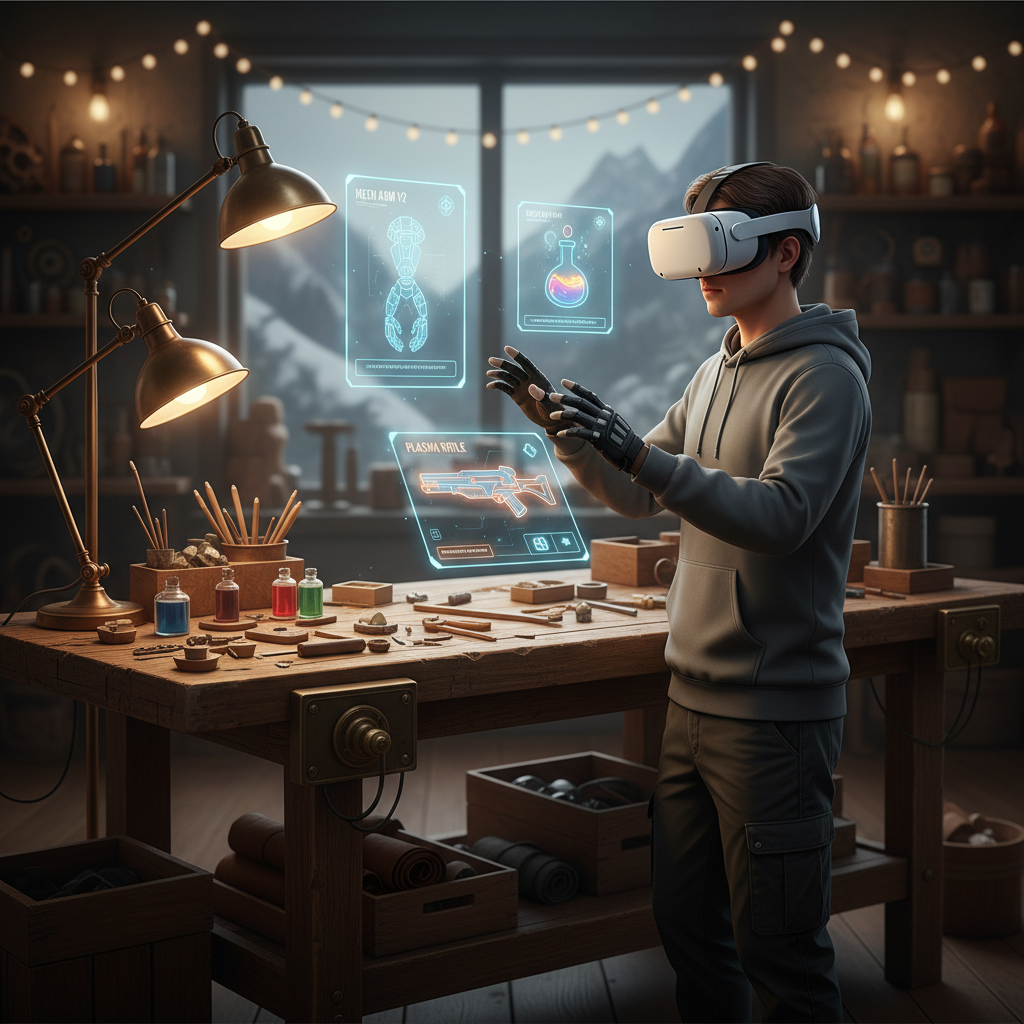
What “crafting” feels like in VR (and why that changes everything)
In flatscreen games, crafting often lives in menus, in VR, the same system can feel magical or tedious depending on interaction design. If you pick a game that mismatches your expectations, even a well-reviewed title can bounce off.
- Hands-on crafting: you physically grab parts, place them, align pieces, and tools matter. This usually feels most “VR-native,” but can be slower.
- Recipe crafting: you collect materials, click a recipe, output pops out. Fast and progression-friendly, but sometimes less immersive.
- Physics sandbox building: crafting is really construction, with snapping, structural rules, or freeform assembly.
- Survival crafting loops: hunger/temperature/base defense can push crafting into “must-do chores,” which some players love and others hate.
According to the Entertainment Software Association (ESA)... accessibility and comfort options influence how long players stick with games, and in VR that often translates to locomotion choices, comfort vignettes, and interaction toggles.
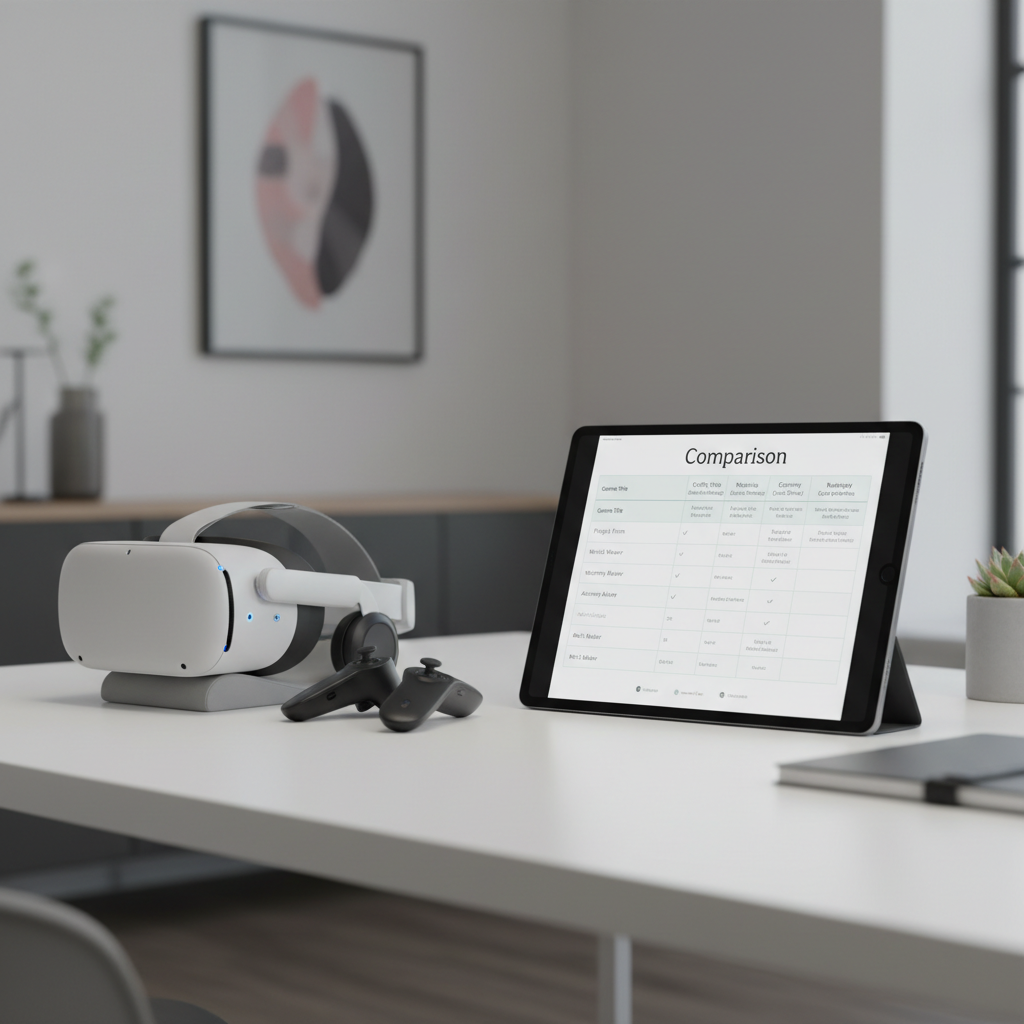
Quick comparison table: categories that cover most “best picks”
Instead of pretending one list fits everyone, use this table to self-sort, then jump to the recommendations and checklist below.
| Category | Best for | What to look for | Common downside |
|---|---|---|---|
| Cozy crafting | Relaxed sessions, decoration, light goals | Intuitive grabbing, low pressure, storage that makes sense | Shallow progression if you want “endgame” |
| Survival crafting | Risk/reward loops, base upgrades | Clear UI, quick crafting queues, comfort settings | Can feel grindy in VR |
| Physics building | Experimenters, creators, chaos enjoyers | Stable physics, good snapping, undo tools | Jank and motion discomfort if physics misbehaves |
| Automation & production | Players who like systems and planning | Readable layouts, scalable factories, performance optimization | VR UI can get busy fast |
| Multiplayer crafting | Friends, shared bases, social building | Drop-in co-op, role separation, grief protection | Session planning, matchmaking quality varies |
Best VR crafting games 2026: curated picks by play style
I’m avoiding a fake “#1 to #10” ladder here, because the best vr crafting games 2026 conversation usually splits by how tactile you want crafting to be, and whether you want pressure, puzzles, or pure creativity.
For hands-on, VR-native crafting
- Workshop-style builders: look for games where tools matter, alignment feels forgiving, and objects have clear collision. The winners here are the ones that let you work fast without making you fight physics.
- Crafting + scavenging hybrids: these shine when the loop is “find parts, assemble upgrades,” not “click recipe, wait.” If you like tinkering, prioritize repair benches, modular items, and visible component swaps.
For survival crafting and base progression
- Base-first survival: better for VR when base building is the star and survival meters stay light. You want crafting that stays readable, with quick access to storage and a clear upgrade path.
- Threat-driven survival: great when you enjoy prepping, fortifying, and reacting, but check comfort options and pacing, long resource runs in VR can become fatigue fast.
For creative building and sandbox play
- Freeform builders: perfect if you want to sculpt spaces and mess around. Prioritize strong undo/redo, grid snapping toggles, and performance settings so big builds don’t turn into stutter.
- Contraption and physics toys: the best ones reward curiosity, but they also need stability. A small amount of jank is common in physics sandboxes, in VR it can feel bigger than it is.
For co-op crafting with friends
- Role-based co-op: best when one person gathers, another builds, another manages crafting. That division keeps VR sessions from feeling like everyone does the same chores.
- Shared creative worlds: focus on moderation tools, permissions, and easy drop-in invites. If you plan to host, check whether saves live locally or in the cloud.
Self-check: how to pick the right crafting game in 5 minutes
If you only do one thing before buying, do this. It saves money and prevents the “I thought crafting meant…” regret.
- Do you want hands or menus? If you want hands, look for footage that shows grabbing parts and using tools, not just clicking icons.
- How long are your sessions? Under 30 minutes, favor cozy crafting or sandbox. Longer sessions can suit survival loops.
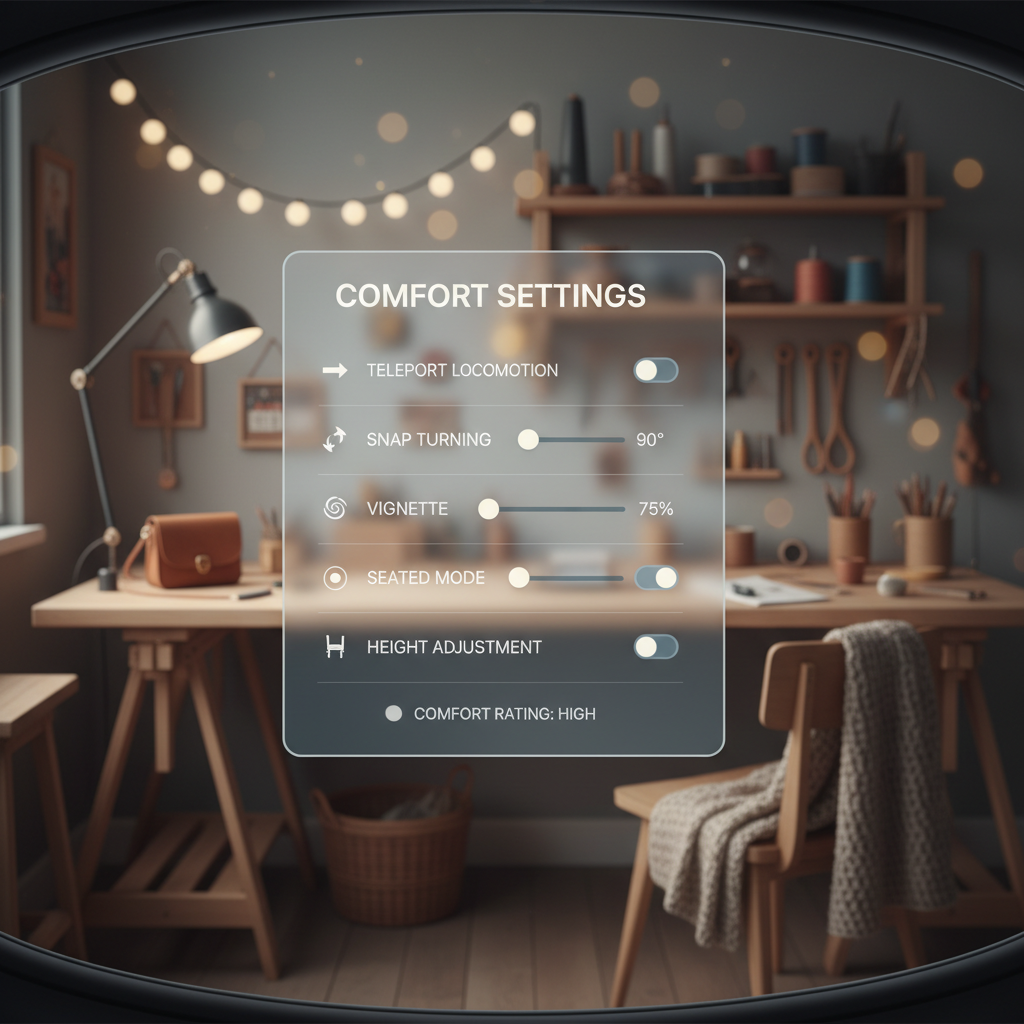
- Comfort sensitivity? If you get motion sick easily, prioritize teleport/snap turn support and seated play options.
- Progression preference? If you like goals, you want tech trees, unlocks, and base upgrades. If you like freedom, you want creative mode and strong building tools.
- Do you hate inventory management? Then you need auto-sorting, quick transfer buttons, and clear storage labels, otherwise crafting becomes “box shuffling.”
According to Meta... VR comfort features such as teleport movement, snap turning, and comfort vignettes can help reduce discomfort for many players, which matters a lot in crafting games that involve frequent walking, bending, and repetitive actions.
Practical setup tips to make crafting feel better (comfort, controls, space)
Even the best vr crafting games 2026 picks can feel “off” if your setup fights the game. These are boring tweaks that genuinely help.
- Reset your height and floor: crafting benches and shelves feel wrong when your floor calibration drifts. Recalibrate before you judge a game.
- Use wrist-friendly tool mapping: if a game lets you swap grip/trigger behavior, pick the option that reduces constant squeezing.
- Turn on snap turning if needed: smooth turning plus lots of close-up bench work can bother some players, snap turning often makes long crafting sessions easier.
- Enable object highlights: in dim workshop scenes, outlines and tooltips reduce “hunt-and-peck” frustration.
- Keep a small real-world table nearby: not required, but it helps you steady your hands during detailed assembly, just mind your guardian/boundary.
Mistakes that make VR crafting games feel grindy (and how to avoid them)
A lot of complaints about crafting are really about pacing and friction, not the crafting itself. A few swaps in playstyle fix it.
- Over-hoarding early: in many games, storage management becomes the “main quest” if you pick up everything. Keep one material box per craft category, sell or discard the rest.
- Ignoring shortcuts: quick-craft, pin recipes, batch craft, and “pull from nearby chests” options can exist but default to off.
- Building too big too soon: large bases look cool, but they also increase travel time. Compact layouts keep VR sessions comfortable.
- Chasing perfect alignment: physics crafting often expects “good enough.” If you’re spending 10 minutes aligning one part, check snapping toggles or tool modes.
When to look for expert help or alternative options
If you feel nausea, eye strain, headaches, or lingering discomfort, it may help to stop and adjust comfort settings, shorten sessions, or try seated play. If symptoms persist, consider consulting a medical professional, since tolerance varies and VR can trigger issues in some people.
Also, if you’re buying for a younger player, it’s worth checking platform and headset guidance, guardian setup, and play-space supervision expectations, since safe movement matters more in build-focused games where you naturally lean, turn, and reach.
Conclusion: how to choose your next crafting obsession
The best vr crafting games 2026 pick for you is the one where crafting feels like the fun part, not the paperwork, so match the category to your tolerance for survival pressure, your need for hands-on interaction, and your session length.
Key takeaways: if you want immersion, prioritize tactile tool use and stable physics, if you want progression, prioritize tech trees and storage quality, and if you want comfort, prioritize locomotion options and shorter loops.
Pick one category from the table, use the 5-minute self-check before you buy, then commit to a single game for a week, crafting systems often click after you learn the inventory flow and tool shortcuts.