
Casual puzzle games for short sessions work best when they give you a satisfying loop in 2–10 minutes, without forcing you into long tutorials, timed events, or “just one more” traps that eat your break. If you’re squeezing play time between meetings, commuting stops, or winding down before bed, the goal is simple: quick fun, clean stopping points, and low mental overhead.
This matters more than people admit, because the wrong “casual” game still demands streaks, daily chores, and long levels that punish interruptions. A good short-session puzzle feels like a snack, not a second job.
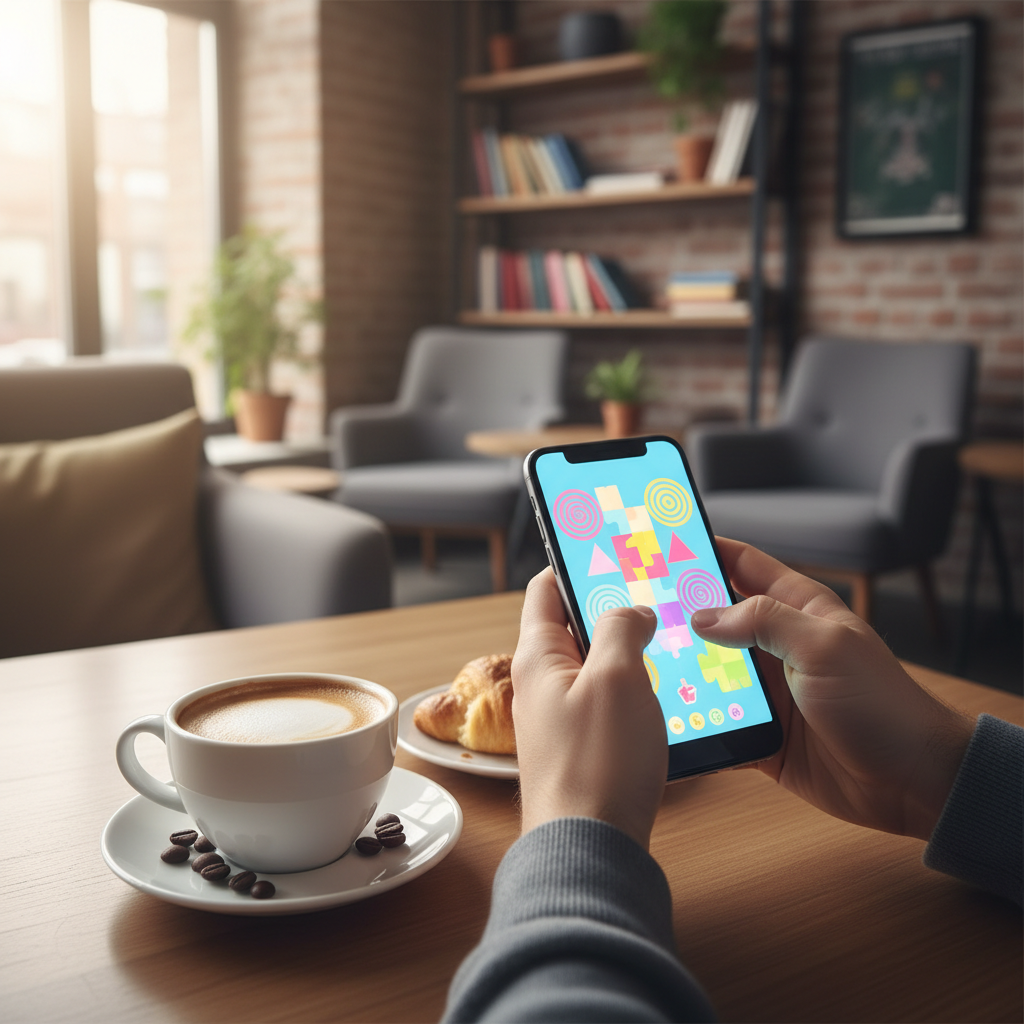
Below, you’ll get a practical way to judge whether a title truly fits short bursts, a few reliable categories to look for, and setup tips that keep the experience lightweight. No “perfect list” promises, just a framework you can use today.
What makes a puzzle game “short-session friendly”
When people search for casual puzzle games for short sessions, they usually want three things: a fast start, a clear finish line, and the freedom to pause without consequences. The details are where most games quietly fail.
- Instant onboarding: You can play meaningfully within the first minute, with minimal dialog and no unskippable cutscenes.
- Compact level design: Rounds end quickly, and you don’t need to remember complex state when you return.
- Predictable time per turn: “One move” or “one round” takes a similar amount of time, so you can stop confidently.
- Safe interruptions: You can lock your screen, switch apps, or lose signal and still keep progress.
- Low penalty for breaks: No harsh timers, streak loss, or event pressure if you miss a day.
According to the American Psychological Association (APA), habits and reward loops can strongly influence daily behavior, which is a polite way of saying some designs push you to keep tapping even when you meant to stop. Short-session friendly games respect the stop.
Why many “casual” puzzles still feel exhausting
A lot of modern puzzle apps are built around retention first, puzzles second. That’s not automatically evil, but it can make a 5-minute break feel oddly stressful.
- Event-driven schedules: Limited-time goals create urgency, and urgency turns a quick session into “I should finish this.”
- Lives and wait timers: These can be fine in moderation, yet they often nudge you toward returning at specific times.
- Long meta layers: Base building, card collection, and story chapters add friction when you only want a quick brain snack.
- Ad overload: Too many interstitial ads break your flow, and short sessions become mostly waiting.
- Difficulty spikes: If you repeatedly fail on one level, a “short” session becomes a frustration loop.
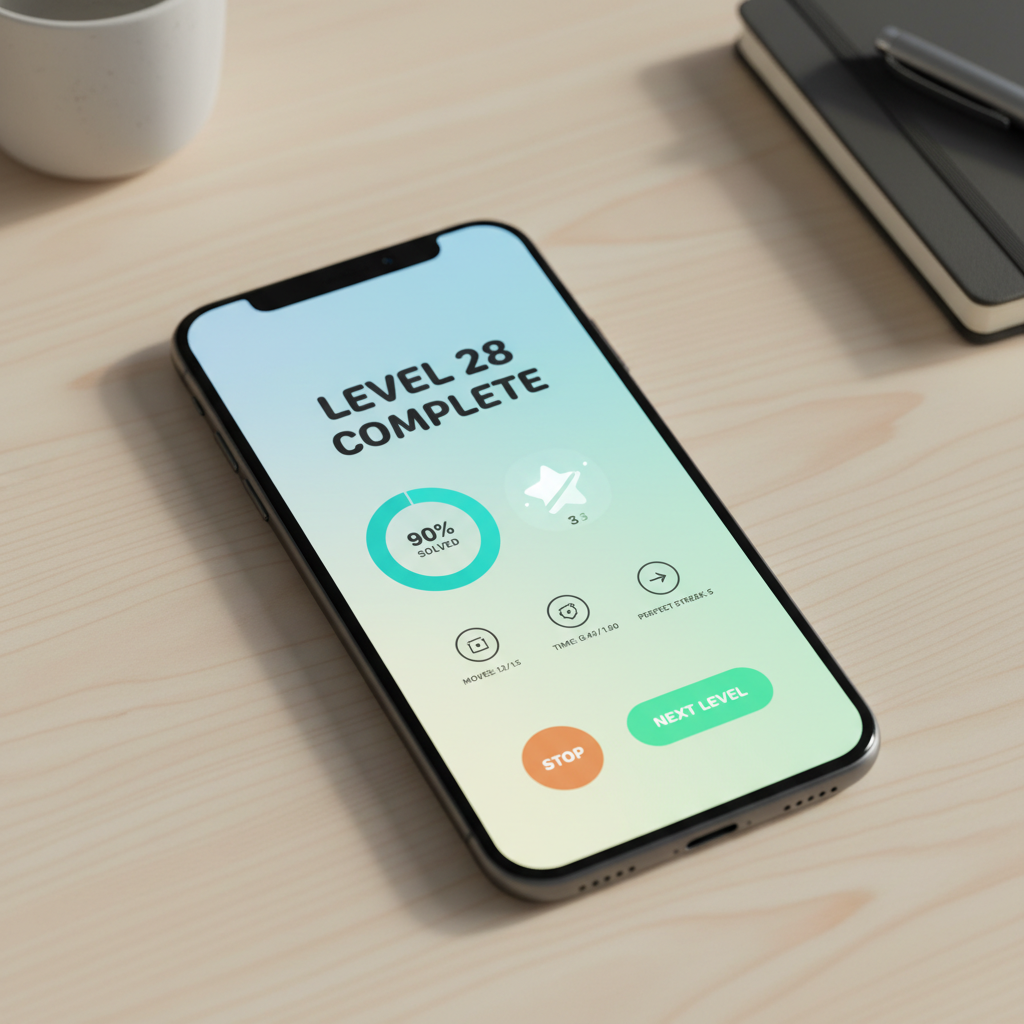
In practice, the best casual puzzle games for short sessions tend to be the ones that don’t punish you for stopping mid-thought, and don’t turn every login into a checklist.
Quick self-check: is this game actually good for 2–10 minute play?
Before you install another “quick puzzle,” run this quick checklist. If you hit too many “no” answers, it’s probably not a great fit for short bursts.
- Can I finish one round in under 3 minutes once I understand the rules?
- Can I pause anytime without losing my attempt?
- Does it avoid long dialogues between levels?
- Does it feel complete without events and daily missions?
- Are ads or monetization predictable rather than constant surprises?
- Can I leave after a win without the game pushing another mode immediately?
If you’re specifically shopping for casual puzzle games for short sessions during commutes, also check offline behavior. A surprising number of titles become clunky when reception drops.
Best puzzle styles for short sessions (and what to look for)
Rather than chasing a single “top games” list that goes stale, it’s more useful to know which puzzle formats naturally fit short play, then pick the one that matches your mood.
| Style | Why it works in short bursts | Watch-outs |
|---|---|---|
| Match-3 / tile swapping | Fast feedback, levels often 1–5 minutes | Event pressure, pay-to-pass difficulty spikes |
| Word puzzles (anagrams, word search) | Easy to pause, low setup time | Too many ads, repetitive dictionaries |
| Logic mini-grids (Sudoku variants, nonograms) | Clear stopping points, strong “one more” satisfaction | Hard to resume if UI is cluttered |
| Physics/placement puzzles | One level = one idea, quick completion | Restart-heavy levels can eat your break |
| Roguelite micro-puzzles | Short runs can feel rewarding | Some runs secretly take 20+ minutes |
When you browse, prioritize games that show level length or have a visible “end of level” rhythm. That single design choice usually predicts whether you can truly fit play into 5 minutes.
Practical setup tips to keep sessions short (without ruining the fun)
Sometimes the game is fine, but your phone settings make it feel sticky. These small tweaks often do more than switching apps.
Use time boundaries that feel kind, not strict
- Set a 10-minute timer for breaks where you tend to drift.
- If timers stress you out, try “two levels only” as a softer rule.
Turn off the triggers
- Disable push notifications for events, streaks, and “free rewards.”
- In many games, turn off vibration and flashy effects, it reduces that casino-like pull.
Make stopping frictionless
- Keep the game on your home screen only if you genuinely use it for short resets.
- If you tend to overplay at night, move it into a folder or off the first page.
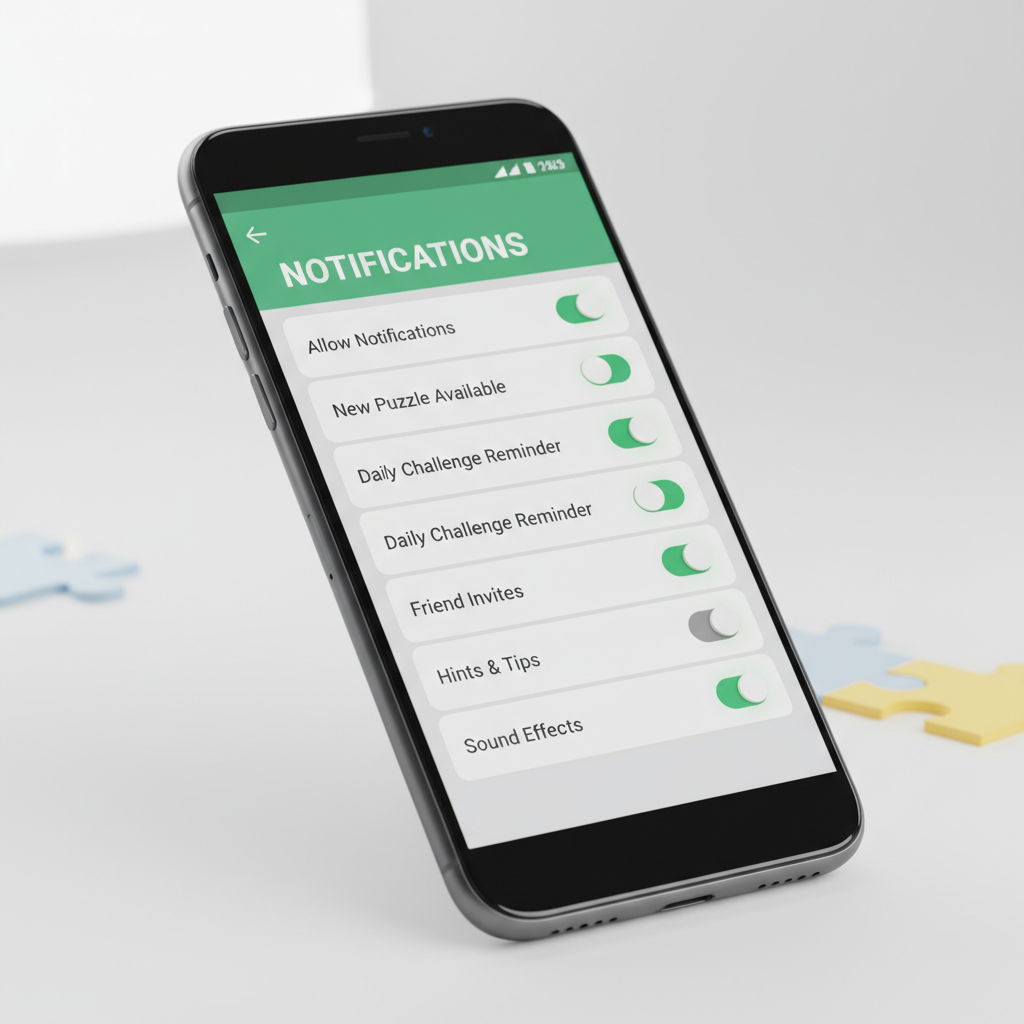
These steps sound small, but they protect what you actually want from casual puzzle games for short sessions: a quick reset that doesn’t spill into the rest of your day.
Recommended approach: build a “2-game rotation” for different moods
One underrated trick is keeping two titles, not ten. You pick based on your energy, and you avoid doom-scrolling the app store when you should be resting.
- Game A (low effort): Something you can play half-asleep, like a simple match or word find.
- Game B (light focus): A logic puzzle that feels satisfying when you have a clean 8–10 minutes.
If you notice either game constantly pushing events or long sessions, swap it out. Treat it like replacing a noisy air conditioner filter, not a moral failure.
Common mistakes that make “quick sessions” longer
Most people don’t overplay because they lack willpower, they overplay because the game is designed to remove natural stopping cues. A few pitfalls show up again and again.
- Starting with “infinite modes” when you only have a few minutes, choose levels with clear endpoints instead.
- Chasing streaks that turn into daily obligations, if it feels like homework, it stops being casual.
- Playing while multitasking during work messages, you’ll lose more time to context switching than you expect.
- Keeping sound on in public, then constantly adjusting volume and settings, set it once and forget it.
If your short sessions keep stretching, it may help to pick games with hard session caps such as limited daily puzzles or a defined pack of levels, because the game supplies the stopping point for you.
Conclusion: the best short-session puzzle is the one you can stop
Good casual puzzle games for short sessions feel generous: quick to start, easy to pause, and satisfying even if you only play one round. If your “casual” game leaves you stressed, behind on events, or annoyed by ads, that’s useful feedback, not you doing it wrong.
Key takeaways:
- Look for predictable round length, safe pausing, and minimal daily pressure.
- Use a small rotation and tweak notifications so the game fits your schedule.
- Prefer clear endpoints over endless modes when you truly have 5 minutes.
Pick one game you already have, run the checklist above, then adjust settings before you download anything new. That single move usually makes your next break feel like a break again.
FAQ
What are the best casual puzzle games for short sessions on iPhone?
Look for titles with quick levels, strong pause support, and minimal event pop-ups. On iPhone specifically, also check whether the game behaves well with Focus modes and notification settings.
Are offline puzzle games better for short breaks?
Often, yes. Offline-friendly play reduces loading friction and helps during commutes or spotty reception, though some games still require periodic check-ins for saves or updates.
How do I avoid getting hooked when a game is “too fun”?
Turn off nonessential notifications, avoid endless modes during workdays, and set a simple boundary like “two levels.” If you feel it’s affecting sleep or mood, consider taking a break and, if needed, talking with a qualified professional.
Do match-3 games count as short-session puzzles?
They can, because levels are naturally bite-sized. The catch is monetization and events, some match-3 apps are great in short bursts, others push you into long grinds when difficulty spikes.
What should I prioritize: fewer ads or better gameplay?
For short sessions, predictability matters most. A great puzzle with constant interruptions stops feeling quick, but a quiet ad-light game that’s boring won’t stick either, aim for a balance you can live with.
Is it normal to feel tired after “casual” puzzles?
Yes, depending on puzzle type and when you play. Logic-heavy grids can be mentally taxing late at night, while lighter word or tile games tend to feel more relaxing for many people.
How can I tell in 2 minutes if a game fits short sessions?
Watch one gameplay clip or play the tutorial and time a single level. If you can’t reach a clean stopping point quickly, or the app bombards you with events and menus, it’s probably not a short-session fit.
If you’re trying to build a small, reliable set of casual puzzle games for short sessions and want a faster way to screen options, use the checklist and table above as your filter, it saves you from downloading five apps just to keep one.