
best vr detective games 2026 is a search you make when you want that rare combo of “I’m in the story” immersion and puzzles that don’t feel like busywork.
But detective VR is also where people bounce fast: motion sickness, fiddly clue handling, unclear objectives, or mysteries that look great but don’t actually let you investigate. If you’ve bought a few VR games before, you know the pattern.
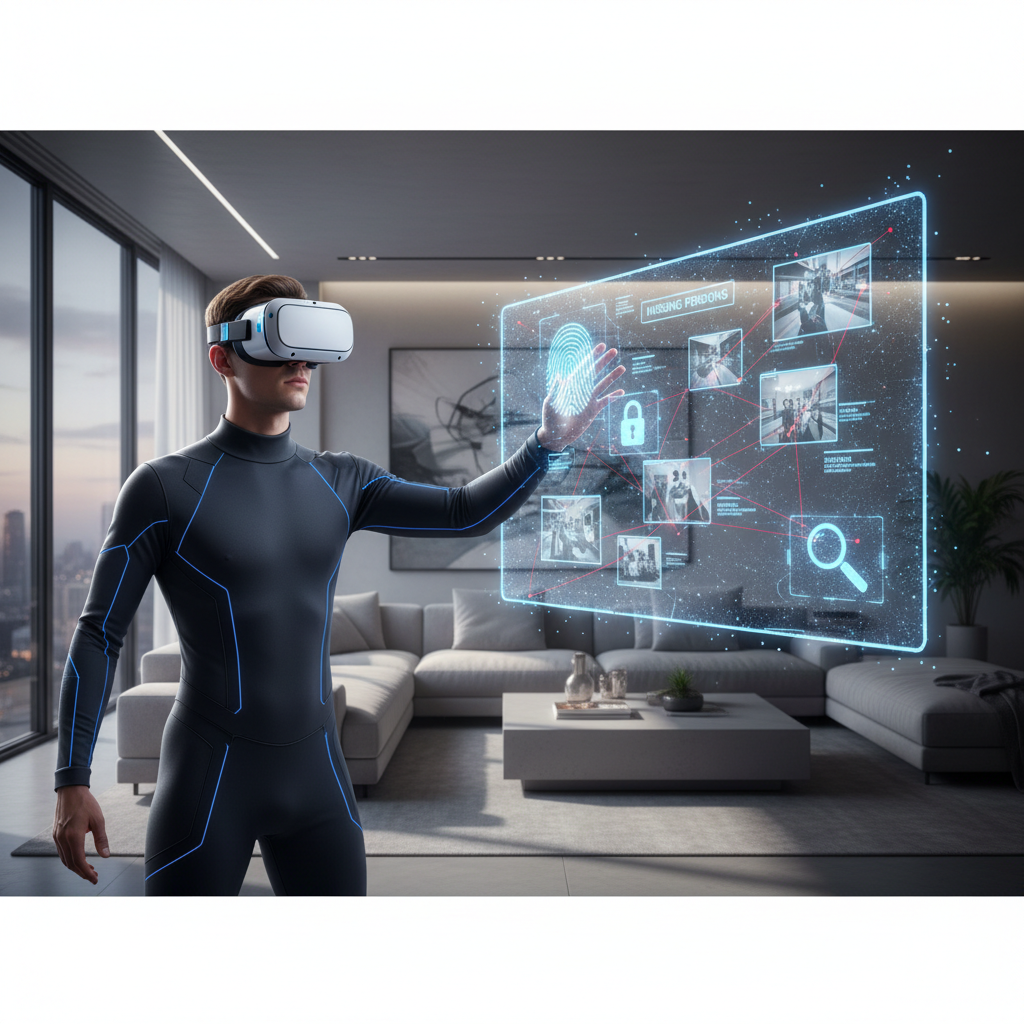
This guide focuses on what usually matters in 2026 releases and evergreen favorites: how “detective” the game really is, how comfortable it plays, and whether the case sticks the landing. You’ll also get a quick checklist for choosing based on headset, play space, and the kind of mystery you actually enjoy.
What counts as a great VR detective game in 2026 (not just “a story in VR”)
A lot of titles market themselves as mysteries, but the best ones let you form theories, test them, and feel smart, even if you miss a detail or two.
- Investigation freedom: multiple leads, optional evidence, and the ability to revisit scenes.
- Readable interactions: picking up objects, opening drawers, scanning for prints, all without fighting controls.
- Fair puzzle logic: clues point somewhere, rather than “try everything until it works.”
- Good VR comfort: teleport options, snap turning, seated play support, and clear comfort settings.
- Case structure: episodic cases for quick sessions, or one deep mystery if you like longer arcs.
One more thing people underestimate: audio direction. In VR, footsteps, distant voices, and environmental cues often do more storytelling than cutscenes.
Best VR Detective Games 2026: quick comparison table
Below is a practical way to shortlist. “VR comfort” is a rough guide based on common locomotion demands, but your tolerance still varies by person.
| Game / Series | Type of mystery | Core gameplay | VR comfort | Best for |
|---|---|---|---|---|
| The Room VR: A Dark Matter | Occult puzzle mystery | Object manipulation, rooms, mechanisms | High | Puzzle-first detectives |
| Sherlock Holmes VR (varies by platform/version) | Classic cases | Clue collection, deductions, story scenes | Medium | Traditional whodunits |
| LA Noire: The VR Case Files | Noir police cases | Interrogations, driving, action beats | Low–Medium | Story + set-piece fans |
| VR Escape Room mystery titles (top-rated collections) | Contained scenarios | Puzzles, timed challenges, teamwork (often) | High | Co-op or bite-size sessions |
| Indie “case file” investigation sims (2025–2026 releases) | Varies: modern, sci-fi, paranormal | Scanning, evidence linking, narrative choices | Medium–High | Experimenters, new mechanics |
Note: availability and exact VR support can differ by headset store and region, so treat any “VR version” label as something to verify before you buy.
Top picks, with the “why it works” breakdown
Instead of pretending there’s one definitive ranking, here are standout options by player intent. That tends to match how people actually search for best vr detective games 2026: you want the right vibe for your weekend, not a generic top 10.
The Room VR: A Dark Matter (for puzzle-driven investigation)
If you like detective work that feels tactile, this is still a safe bet. The “clues” are mechanisms, hidden compartments, and physical logic. It’s less about interrogations and more about noticing what others miss.
- Strength: satisfying object interaction, clear puzzle language.
- Watch out for: if you want branching story outcomes, it’s more linear.
LA Noire: The VR Case Files (for interrogations and noir atmosphere)
This one is about reading suspects and moving through a film-noir world. When it clicks, it feels like acting in a crime drama. When it doesn’t, it can feel like a “best moments” compilation rather than a full investigation sim.
- Strength: interrogation tension and cinematic pacing.
- Watch out for: comfort can be trickier due to movement and set pieces.
Sherlock Holmes VR-style experiences (for classic case structure)
“Sherlock in VR” can mean different products depending on platform, but the appeal stays consistent: scenes, clues, and the satisfaction of making a deduction. Look for versions that let you freely examine environments and maintain a case journal.
- Strength: familiar detective fantasy, clear case framing.
- Watch out for: some adaptations prioritize story over hands-on investigation.
High-rated VR escape-room mysteries (for co-op and quick sessions)
These aren’t always “detective fiction,” but they often deliver the purest clue-chaining loop in VR. If your ideal session is 30–60 minutes and you like talking through theories with a friend, this category can beat bigger story games.
- Strength: fast feedback, teamwork, replay value.
- Watch out for: some rely on hidden-object hunting more than reasoning.
A quick self-check: which detective VR should you buy?
This is the part that saves money. Answer honestly and you’ll narrow to 2–3 options quickly.
- I get motion sick easily: prioritize teleport locomotion, seated play, minimal vehicle sections.
- I want “real detective work”: choose games with evidence linking, suspect logic, or deduction boards, not just spooky exploration.
- I’m here for atmosphere: noir, paranormal, or sci-fi mysteries can be stronger than pure procedural systems.
- I play in short bursts: episodic cases or escape-room formats fit better than long campaigns.
- I hate pixel hunting: look for highlight/scan tools, journals, and re-checkable clues.
- I’m on a tight space setup: prefer seated/standing titles over room-scale-heavy interaction.
According to the American Academy of Ophthalmology, VR can cause eye strain or discomfort for some users, so if you notice headaches, nausea, or vision issues, taking breaks and adjusting fit/IPD is a sensible first move, and persistent symptoms warrant checking with a medical professional.
Practical setup tips that make detective games feel better
Even the best vr detective games 2026 candidates can feel “off” if your setup fights you. These tweaks tend to pay off immediately.
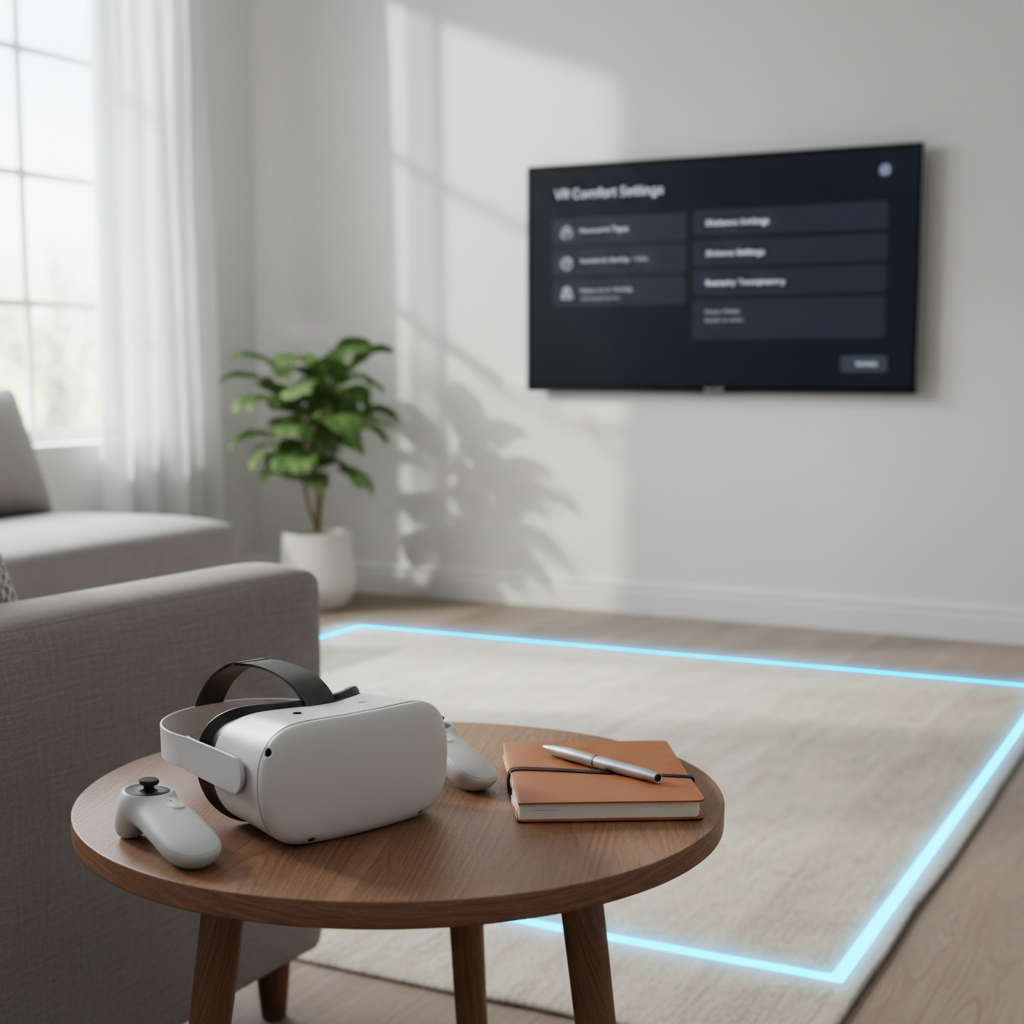
- Calibrate height and floor level: if your hands “miss” drawers or desks, re-run guardian/boundary.
- Use snap turning if you’re sensitive: smooth turning looks cool, but it’s a common nausea trigger.
- Enable interaction assists: subtle highlights can reduce frustration without solving puzzles for you.
- Audio matters: wear decent headphones, detective cues often hide in directional sound.
- Keep a real notepad nearby: for multi-suspect cases, writing names and motives helps more than you’d think.
Common mistakes when shopping this category (and how to avoid them)
A lot of disappointment comes from mismatched expectations, not “bad games.” A few patterns show up again and again.
- Buying “mystery” when you wanted “investigation”: some titles are narrative rides with light puzzles, check reviews for clue density.
- Ignoring comfort notes: driving, sprinting, and combat spikes can wreck an otherwise great case for sensitive players.
- Assuming all VR ports are equal: interaction design can feel bolted on, watch for complaints about grabbing/physics.
- Overvaluing graphics: crisp visuals help, but readable clues and good hint systems matter more long-term.
When in doubt, prioritize games that clearly describe locomotion options and provide a case journal or evidence system, those features usually correlate with better “detective feel.”
When to look for extra help (comfort and safety)
If you’re new to VR or returning after a long break, ramping up slowly is smart. According to the U.S. Food and Drug Administration (FDA), VR and AR devices may cause motion sickness, dizziness, or eye strain in some users, so stopping when you feel unwell and taking breaks is a reasonable precaution.
If discomfort happens quickly across multiple titles, you might need to adjust headset fit, IPD, or consider consulting a clinician, especially if you have a history of migraines, vestibular issues, or vision concerns. This isn’t about overreacting, it’s just easier to enjoy mysteries when your body isn’t fighting you.
Conclusion: picking your next case without overthinking it
The best approach to best vr detective games 2026 is choosing by your detective “diet”: puzzle rooms, noir interrogations, classic cases, or co-op escape mysteries. Once you match the format to your tolerance and play style, the odds of a satisfying reveal go way up.
Key takeaways:
- Puzzle-first: start with The Room VR-style investigation.
- Story-first noir: go for interrogation-heavy cases, but check comfort needs.
- Short sessions: pick escape-room mysteries with strong reviews on clue logic.
If you want one next step, open the store page for your top two picks and verify locomotion options, seated support, and whether players mention “real deduction” versus “mostly narrative.” That single check prevents most bad buys.