
best vr fishing games 2026 is an easy search to type and a surprisingly hard list to trust, because “fishing” in VR can mean anything from chill lake casting to full-on boss fights with neon sea monsters.
If you just want something relaxing after work, the wrong pick wastes money fast, too much menu friction, too many gimmicks, or motion that makes you quit after ten minutes. On the flip side, the right game can become your go-to comfort activity, even if you rarely touch flat-screen fishing games.
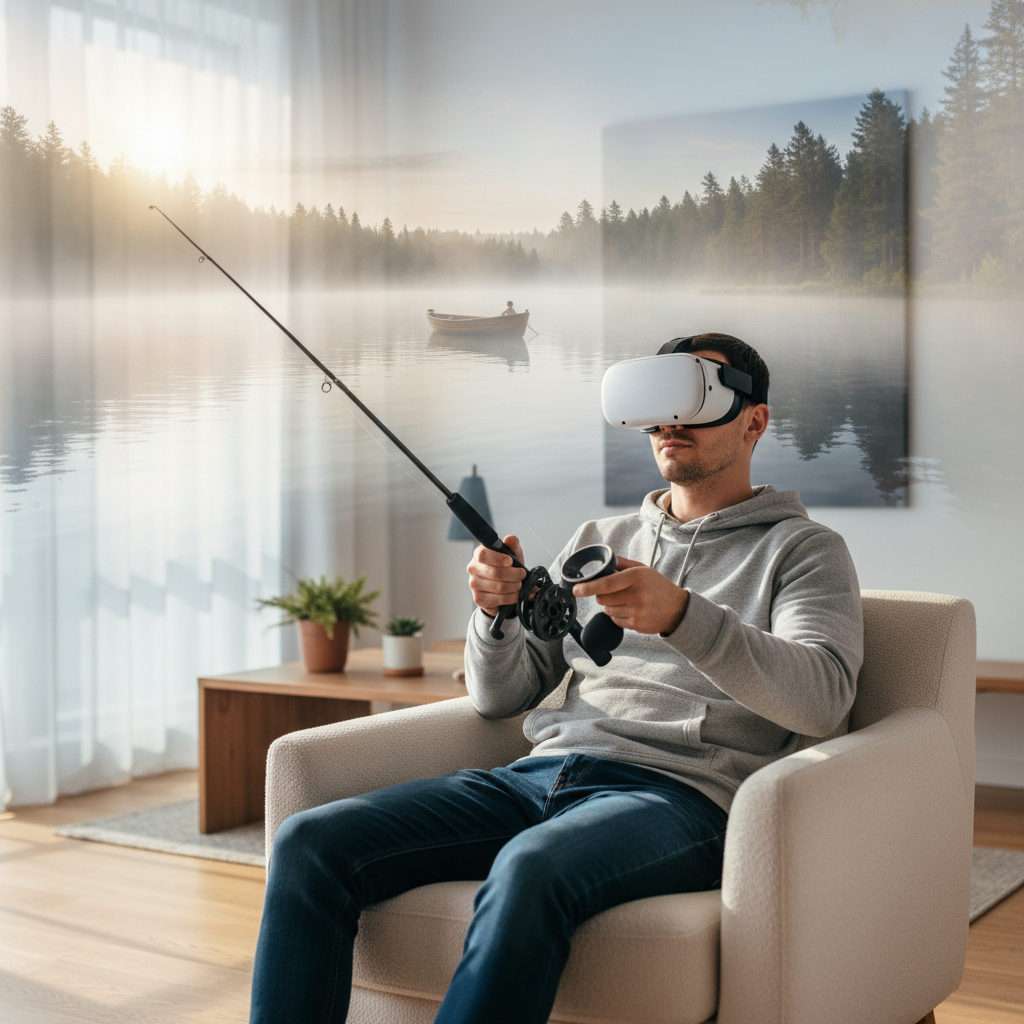
This guide stays practical, what feels good to play, what usually causes refunds, and how to match a game to your headset, play space, and tolerance for motion. I’ll also call out common traps, like “realism” that turns into chores, or arcade mechanics that look fun but burn out fast.
Key takeaways you can use immediately:
- Comfort beats graphics for long sessions, especially on standalone headsets.
- Look for clear bite feedback, fair progression, and simple re-centering.
- If you get motion sick easily, prioritize teleport, snap turn, and seated modes.
What “best” really means for VR fishing in 2026
Most people rate “best” based on the trailer vibe, but in VR, the feel matters more than marketing. A great VR fishing game usually nails three things: the moment-to-moment loop, comfort options, and believable fish behavior.
In 2026, expectations are higher, partly because VR players now assume modern basics like smooth re-centering, readable UI, and decent haptics. According to Meta (in its general VR safety and comfort guidance), comfort settings and taking breaks matter for many users, and games that respect comfort tend to get played longer.
When people ask for the best vr fishing games 2026, they usually fall into one of these buckets:
- Chill explorers: scenery, ambient audio, light progression, minimal pressure.
- Simulation-leaning anglers: lure choice, line tension, technique, weather effects.
- Social players: co-op boats, voice chat, shared tournaments, private lobbies.
- Arcade hunters: fast bites, big creatures, upgrades, boss-like fights.
Quick comparison table (pick your vibe first)
Use this table as a sorting tool, not a definitive ranking. Store catalogs and patches shift, and what feels “real” differs by player.
| Player goal | Best fit type | What to look for | What to avoid |
|---|---|---|---|
| Relax and unwind | Scenic, low-stress fishing | Seated mode, simple casting, gentle progression | Long travel between spots, noisy UI, forced timers |
| “Feels like real fishing” | Simulation-leaning | Line tension system, lure behavior, weather/time | Overly fiddly menus, tiny text, grindy bait crafting |
| Play with friends | Co-op / social worlds | Stable lobbies, private rooms, voice moderation tools | Public-room chaos, unclear matchmaking, laggy physics |
| Fast action | Arcade / monster fishing | Snappy bites, satisfying reeling, fair upgrades | Pay-to-skip progression, spammy effects |
Top contenders in 2026 (categories, not hype)
I’m grouping “best vr fishing games 2026” by what they tend to do well, because the single “#1” depends on your stomach for motion, your headset, and whether you play solo or social.
1) Comfort-first scenic fishing
These games prioritize calm pacing, readable UI, and gentle onboarding. Usually ideal for Quest-style standalone play and for anyone who wants a wind-down activity.
- Why people stick with them: quick sessions feel complete, low friction, fewer comfort surprises.
- Check this before buying: seated support, snap turning, casting that doesn’t require big swings.
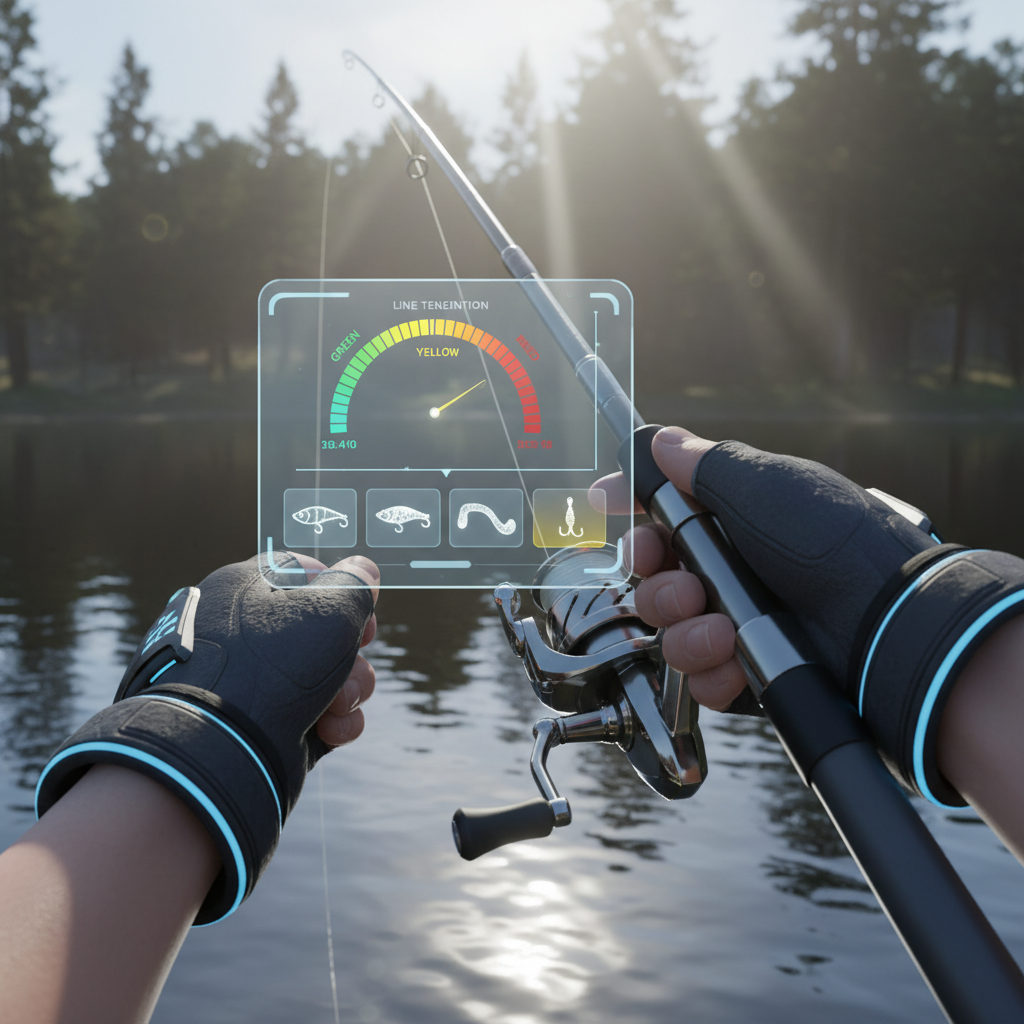
2) Simulation-leaning “line tension” games
This is where you’ll find deeper mechanics, lure selection that matters, and fish that punish sloppy reeling. Fun when you’re in the mood, exhausting when you’re not.
- Why they shine: the fight feels earned, learning curves feel rewarding.
- Typical downside: more menus, more tuning, more chance of “I’m doing chores” energy.
3) Social co-op fishing worlds
If you want laughs and shared “big catch” moments, social fishing can be fantastic. But it lives or dies on lobby stability and moderation tools.
- What to prioritize: private instances, easy invites, quick mute/block, predictable room rules.
- Reality check: public rooms can be chaotic, so a solid private-room option matters.
4) Arcade and fantasy fishing
These are the “five minutes turns into an hour” picks, especially for players who want constant bites and spectacle. They can also be the most motion-intensive if they add boat movement or dramatic camera effects.
- Look for: comfort toggles, clear telegraphing, upgrades that don’t turn into grind.
- Watch out for: progression that feels tuned around daily tasks rather than fun.
Self-check: which VR fishing game will you actually play?
Before you buy, run this quick checklist. It saves you from the classic mistake: picking a “highly rated” sim when you really wanted a cozy lake vibe.
- Motion comfort: Do you feel off with smooth turning or artificial locomotion? If yes, only consider games with teleport and snap turn.
- Play posture: Are you seated 80% of the time? Then avoid games that demand full-body casting arcs.
- Session length: Under 20 minutes, you want fast travel, quick bites, and short loops.
- Audio tolerance: Some games use loud “bite” cues and flashy popups, others keep it subtle.
- Social preference: If you hate randoms, require private lobbies and invite-only rooms.
- Hardware reality: Standalone headsets may prioritize optimization over ultra-dense scenery.
How to choose on your headset (Quest, PS VR2, PC VR)
In the US, most shoppers are comparing across Quest, PS VR2, and PC VR. The “best” choice often comes down to performance stability and how you like to play.
Quest / standalone
Prioritize smooth performance and legible UI. If a fishing game leans on distant detail, fog and resolution tricks can reduce realism, so judge by interaction quality, not just scenery screenshots.
- Buy criteria: stable frame rate, strong comfort settings, quick-load locations.
- Nice-to-have: haptics that communicate bites without needing loud audio cues.
PS VR2
Look for strong controller haptics and clean visuals. If a title supports headset rumble and adaptive triggers, reeling can feel more satisfying, but comfort options still matter.
- Buy criteria: comfort toggles, sharp UI, consistent tracking during reeling.
- Tip: if you feel eye strain, shorten sessions and adjust IPD, if unsure, consult a professional.
PC VR
PC VR can deliver the most visual detail and bigger environments, but it also introduces performance variables. A poorly tuned PC can turn “relaxing fishing” into stutter management.
- Buy criteria: adjustable graphics presets, stable reprojection behavior, clear control mapping.
- Tip: check whether the game supports both motion controllers and gamepad, some players prefer gamepad for long sessions.
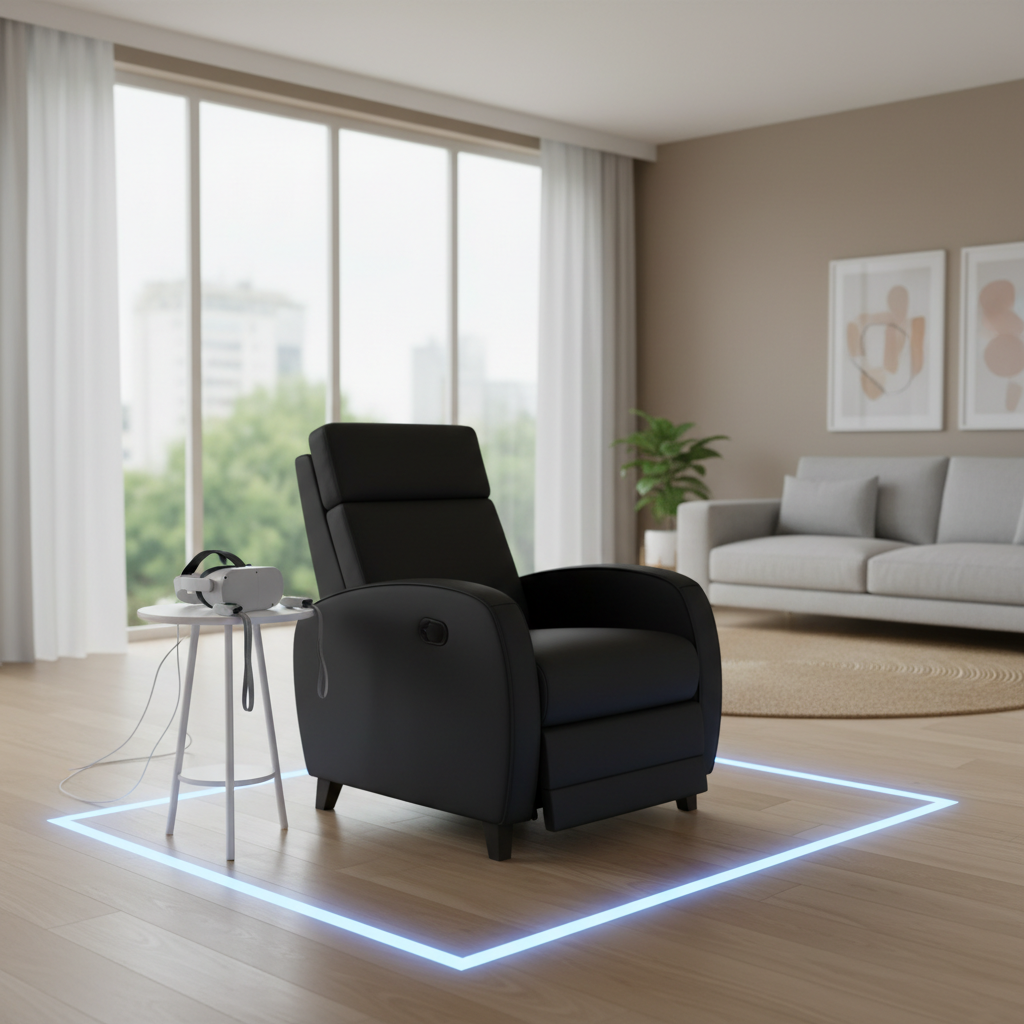
Practical setup tips: get better bites, less fatigue
Even the best vr fishing games 2026 can feel awkward with a sloppy setup. Small adjustments usually change everything, especially in seated play.
- Set a consistent “front” direction: re-center while facing your real-world TV or a fixed point, it reduces drift confusion.
- Adjust controller grip style: try “rod hand steady, reel hand precise,” avoid over-swinging casts.
- Use wrist straps: accidental throws happen, especially when you hook a big fish and react fast.
- Dial down turning speed: comfort improves, and you’ll still land fish just fine.
- Take short breaks: if you feel heat, eye fatigue, or dizziness, stop and recover, pushing through often makes it worse.
Common mistakes (and what to do instead)
Most disappointment comes from mismatched expectations, not from “bad games.” Here are the patterns that show up again and again.
- Chasing realism but hating micromanagement: if lure tweaking annoys you, pick a comfort-first title and treat it like meditation, not a simulator.
- Ignoring comfort settings: players sometimes feel sick once, then quit forever. Turn on snap turn, reduce vignette intensity if available, and keep sessions short at first.
- Buying for co-op without checking community tools: if you need chill sessions, require private rooms and strong mute/block controls.
- Assuming “more content” equals more fun: huge fish lists do not help if casting feels floaty or bite feedback feels random.
When it’s worth getting extra help (comfort, safety, accessibility)
If VR consistently causes nausea, headaches, or eye strain, treat that as a real signal, not something to “tough out.” According to American Academy of Ophthalmology, eye comfort and visual strain can vary by person, and if symptoms persist, it’s reasonable to seek guidance from a qualified professional.
For players with shoulder or wrist pain, fishing motions can aggravate issues. In many cases, switching to seated play, reducing casting motion, or using accessibility options helps, but if pain continues, consider asking a clinician or physical therapist for personalized advice.
Wrap-up: picking the right game without overthinking it
The best vr fishing games 2026 are the ones you’ll actually boot up on a random Tuesday, not the ones with the flashiest trailer. Choose your vibe first, then confirm comfort settings, session flow, and whether solo or social play fits your routine.
If you want a simple next step, pick one comfort-first scenic title for everyday play, and one simulation or arcade option for the nights you want challenge, then stick with them long enough to learn the mechanics before judging.
FAQ
- What are the best vr fishing games 2026 for beginners?
Beginners usually do best with scenic, comfort-first games that offer seated mode, snap turn, and straightforward casting. You’ll learn timing and reeling without fighting menus.
- Which VR fishing games are most realistic?
Simulation-leaning titles with line tension, lure behavior, and weather systems tend to feel more realistic. The tradeoff is more complexity, so make sure that sounds fun, not exhausting.
- Do VR fishing games cause motion sickness?
They can, especially if the game uses smooth locomotion, boat movement, or dramatic camera effects. If you’re sensitive, prioritize teleport, snap turning, and seated play, and keep early sessions short.
- Are VR fishing games good for workouts?
Some light activity is common, but most fishing gameplay is more about arm and wrist movement than cardio. If you want exercise, you may prefer dedicated fitness apps, and if you have health concerns, consult a professional.
- Is co-op worth it in VR fishing?
Co-op can be the best part, especially for relaxed conversations while you fish. It’s worth it if the game has stable private lobbies and good moderation tools, otherwise it can feel noisy or unpredictable.
- What should I check before buying on Quest vs PC VR?
On Quest, look for optimization and readable UI, because performance consistency matters more than raw graphics. On PC VR, confirm you have adjustable settings and stable performance, since stutter can ruin comfort quickly.
- Do I need a rod accessory to enjoy VR fishing?
No, most games play fine with standard controllers. Rod accessories can add immersion, but they also add setup friction and can be awkward in smaller spaces.
If you’re still torn between a relaxing lake experience and a deeper sim, make a short shortlist and compare comfort options, locomotion style, and how much time you realistically play per session, that’s usually where the right answer shows up.