Best competitive games 2026 isn’t a “one list fits everyone” question, because the game that feels fair, rewarding, and worth grinding depends on what you want to improve: aim, teamwork, decision-making, or pure mental endurance.
Still, most players are searching for the same thing: a competitive ladder that feels legit, a healthy player base, and an esports scene that won’t vanish mid-season. This guide narrows the field to games that tend to deliver on those fundamentals, with practical notes on who each title actually suits.
I’ll also call out common traps, like picking a game only because it’s popular on Twitch, or assuming “hardest” automatically means “best.” By the end, you should be able to pick one main game to commit to, plus one “secondary” title that won’t sabotage your progress.
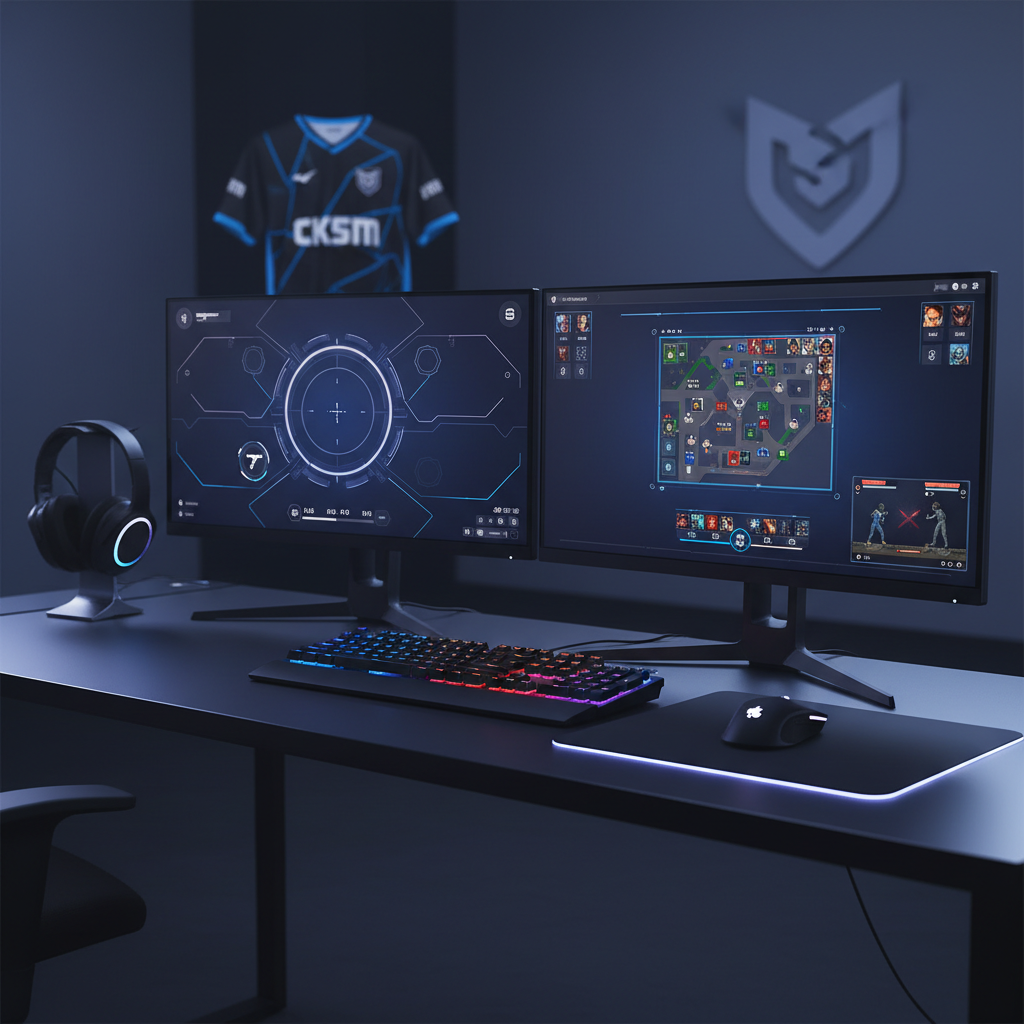
What “best competitive” really means in 2026
People say “competitive” but mean different things. Some want a strict ranked ladder and clear improvement signals. Others want tournaments, teams, and a meta that evolves without feeling random.
In 2026, most strong candidates share a few traits: stable matchmaking, consistent balance updates, anti-cheat investment where relevant, and a community large enough that you’re not queueing into the same names every night.
- Skill expression: your actions reliably change outcomes, not just your loadout or luck.
- Competitive integrity: rules, anti-cheat, and matchmaking feel like they protect ranked.
- Esports ecosystem: events exist at multiple levels, not only a top league you can’t touch.
- Longevity: the game still looks like it will matter in 12–24 months.
According to the Esports Integrity Commission (ESIC), competitive integrity focuses on preventing cheating and safeguarding fair play across esports. That’s not just a pro issue, it trickles down to everyday ranked matches too.
Best competitive esports games 2026: quick comparison table
If you want the fastest shortcut, use the table to match a game to the kind of grind you actually enjoy. “Best” usually means “best fit,” not the biggest prize pool.
| Game | Primary skill | Team size | Why people stick with it | Best for |
|---|---|---|---|---|
| Valorant | Aim + utility teamwork | 5v5 | Clear roles, structured rounds | Players who like tactics and comms |
| Counter-Strike 2 | Fundamentals + teamwork | 5v5 | High skill ceiling, classic rule set | Purists who want “clean” FPS |
| League of Legends | Macro + team coordination | 5v5 | Deep strategy, huge ecosystem | Players who enjoy long-term mastery |
| Dota 2 | Macro complexity | 5v5 | Draft depth, comeback potential | Strategists who like high complexity |
| Overwatch 2 | Team play + tempo | 5v5 | Hero synergy, fast resets | Players who want action with teamwork |
| Rocket League | Mechanics + reads | 1v1/2v2/3v3 | Pure control, short matches | Players who love mechanical repetition |
| Street Fighter 6 | Matchups + execution | 1v1 | Clear improvement, strong offline scene | Players who want direct accountability |
| Rainbow Six Siege | Info + coordination | 5v5 | Destruction, operator depth | Players who enjoy planning and setups |
Top picks by genre (with honest “who it’s for” notes)
Tactical FPS: Valorant, Counter-Strike 2, Rainbow Six Siege
For many Americans searching best competitive games 2026, tactical shooters remain the default because ranked feels structured: rounds, economy, and clear win conditions. You can review mistakes without guessing what happened.
- Valorant: great if you like set plays, agent utility, and defined roles. If you hate comms, you may burn out fast.
- Counter-Strike 2: strong for raw fundamentals. If you need constant novelty, the simplicity can feel repetitive.
- Rainbow Six Siege: heavily information-based. You’ll spend real time learning maps, angles, and operator interactions.
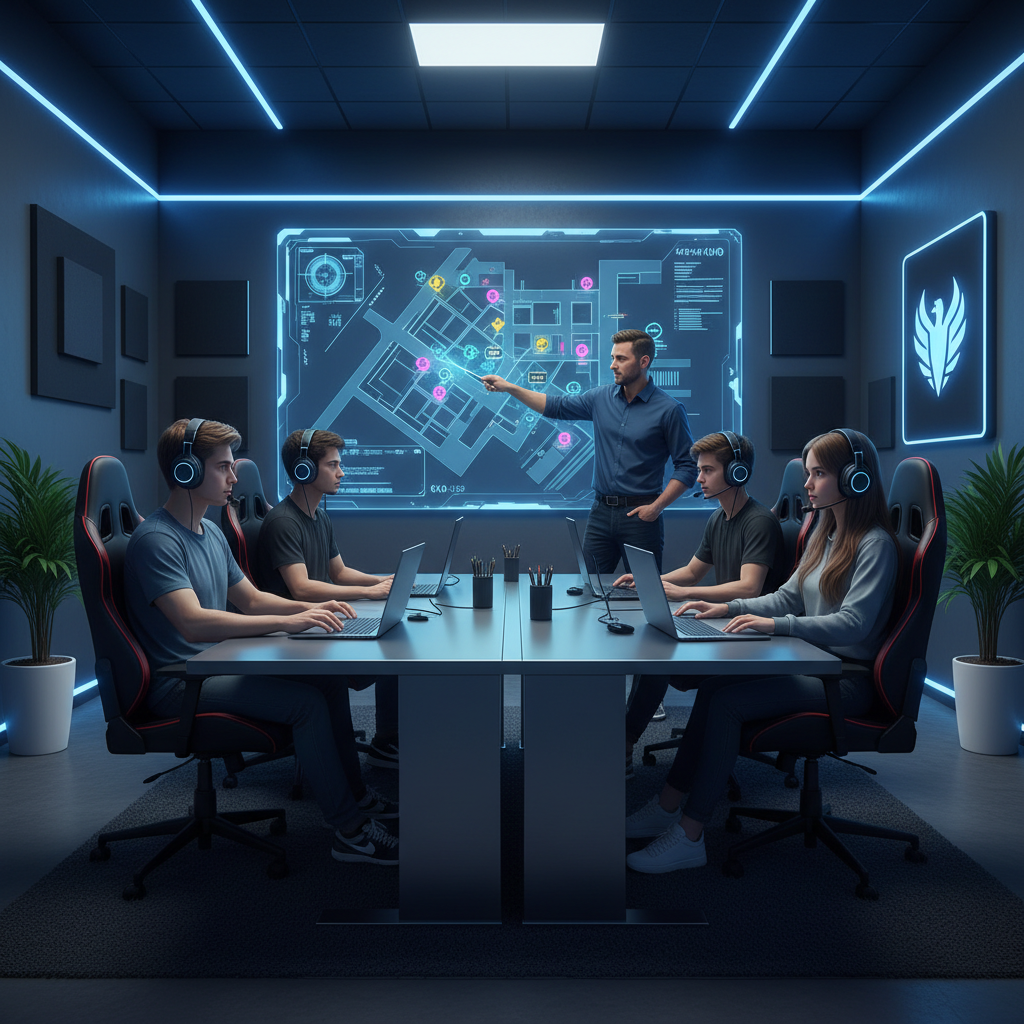
MOBA: League of Legends, Dota 2
MOBAs reward patience and learning more than “hot streaks.” You can outthink someone even when mechanics differ, but the downside is emotional fatigue from long matches and team dependency.
- League of Legends: huge player base and constant meta shifts. If you prefer clear structure, this usually feels more approachable.
- Dota 2: deeper systems and a steeper early curve. If you enjoy solving complexity, it can feel incredibly fair once you’re in.
According to Riot Games, competitive updates and seasonal structures are designed to keep ranked progression consistent and meaningful for a wide range of players. In practice, the quality still varies by rank and region, but the intent matters.
Arena team shooter: Overwatch 2
Overwatch 2 sits in a middle ground: more “moment-to-moment chaos” than a tactical FPS, but still serious team play. If you like swapping strategies mid-fight and tracking ult economy, it’s hard to replace.
- Best for: players who like fast cycles of engage, reset, adapt.
- Not ideal for: players who want slow, chess-like rounds with minimal randomness.
Sports-meets-esports: Rocket League
Rocket League remains a sleeper answer when people ask for best competitive games 2026, because improvement is brutally visible: touches, spacing, recoveries. It also respects your time, matches are short and practice translates cleanly.
- Best for: players who enjoy training mechanics and reviewing replays.
- Watch-out: the “just one more game” loop can be intense, set boundaries.
Fighting games: Street Fighter 6 (plus the wider FGC)
If you’re tired of blaming teammates, fighting games give you clean accountability. Street Fighter 6 is a common starting point because matchmaking is active and the learning resources are strong.
- Best for: players who like lab time, matchup knowledge, and mental composure.
- Reality check: progress feels slow early, then suddenly clicks.
Why these games tend to stay “competitive” (and why some don’t)
The difference between a fun multiplayer game and a truly competitive one is repeatability: you can run the same situation 50 times, learn something real, and see it show up in ranked.
- Stable rules: consistent win conditions and limited “cheap” mechanics keep outcomes readable.
- Strong replay culture: communities that review VODs, share setups, and discuss decisions push standards up.
- Developer cadence: patches that explain intent reduce the feeling that the ladder is a dice roll.
- Cheating pressure: for PC shooters especially, anti-cheat investment matters more than marketing.
According to Valve, ongoing updates to Counter-Strike 2 focus on performance, matchmaking, and competitive features. That doesn’t guarantee your games stay clean, but it signals continued attention to the ranked experience.
A quick self-check: which game should you commit to?
This is the part most players skip. Picking the wrong “main” game creates a loop where you feel stuck, then blame your mechanics, then bounce to a new title.
- If you tilt when teammates ignore comms: consider 1v1-heavy options like Street Fighter 6 or Rocket League 1s.
- If you love structured teamwork: Valorant and CS2 usually scratch that itch.
- If you enjoy big-picture strategy: League or Dota often delivers more “smart wins.”
- If you want constant action: Overwatch 2 tends to feel less slow than tac FPS.
- If you have limited time on weekdays: Rocket League and fighting games often fit shorter sessions.
Key point: your schedule matters as much as your taste. A game that requires long, focused blocks can be miserable if you only have 45 minutes.
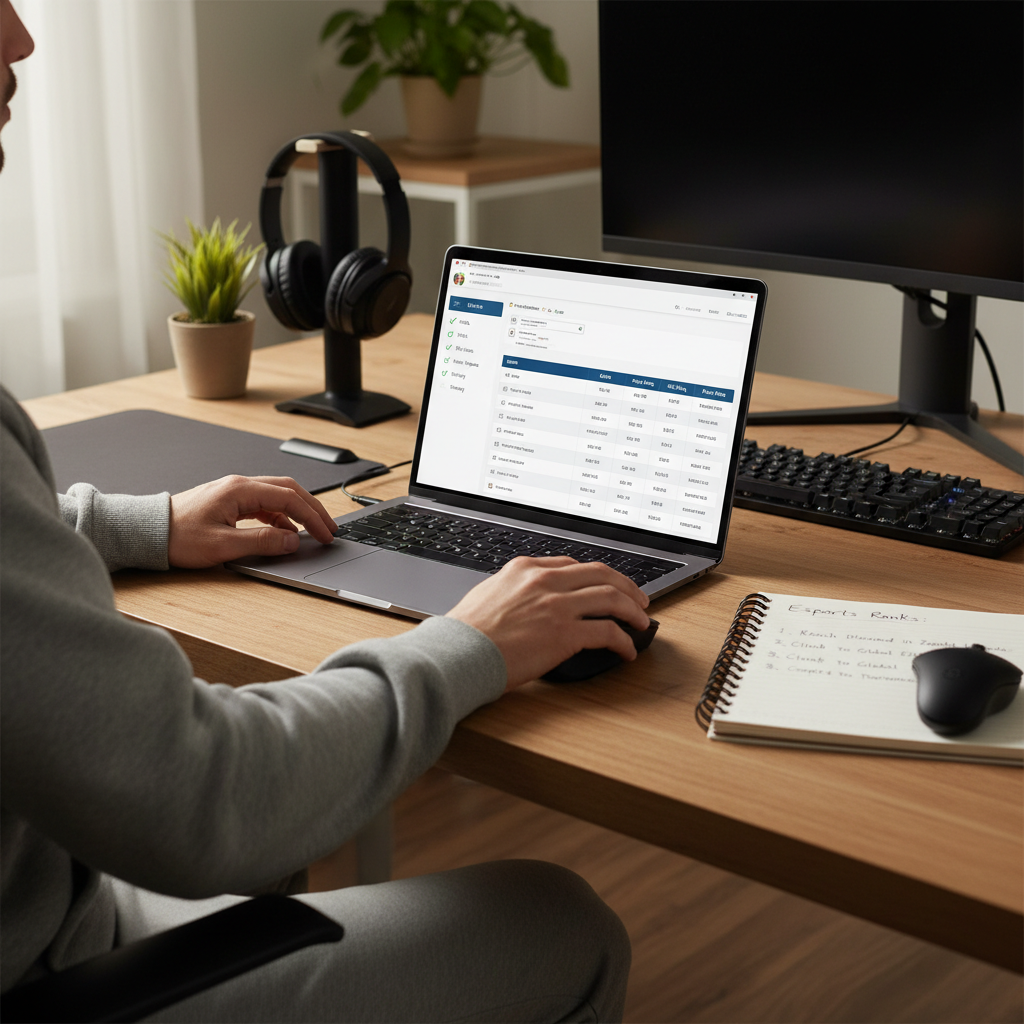
Practical plan: how to start ranked without wasting months
You don’t need a perfect routine, you need one you’ll repeat. A simple structure beats a heroic one-week grind followed by silence.
Step 1: Pick one main game for 60 days
Commit long enough to learn the ranked “language” of that title: map pool, common setups, key timings, and how players punish mistakes.
Step 2: Use a two-track practice split
- Mechanical reps (10–20 min): aim trainers, combos, free play, or drills specific to the game.
- Decision reps (2–3 matches): play ranked with one focus, like trading, objective timing, or spacing.
Step 3: Review one loss, not five
Pick a single ranked loss, watch 3–5 minutes, and write down two mistakes you can actually control. The goal is to change behavior next session, not to create a documentary of your pain.
Step 4: Build your “tilt protocol”
- Queue only when you can finish the match without rushing.
- If you lose two in a row and feel shaky, swap to practice mode or quit for the day.
- Mute early if chat becomes a distraction, it’s not a moral test.
According to the American Psychological Association (APA), stress can affect attention and decision-making. If competitive play starts affecting sleep, mood, or daily life, dialing back or talking to a qualified professional can be a reasonable next step.
Common mistakes people make when chasing “best competitive games 2026”
- They pick based on hype, not fit: watching a game and grinding it are different experiences.
- They change settings weekly: sensitivity and keybind stability matter more than the “perfect” config.
- They ignore fundamentals: positioning, economy, cooldown tracking, and spacing win more games than fancy plays.
- They treat rank as identity: rank is feedback, not a personality trait.
If you want a simple rule, choose one game where losses feel “understandable.” Confusing losses are a sign either the game is too new to you, or you’re not reviewing the right things.
Conclusion: pick one game, then make it easier to improve
The best competitive games 2026 are the ones where you can practice, compete, and stay motivated without feeling like the system fights you every night. If you’re torn, pick one tactical FPS or one MOBA as your main, then keep Rocket League or a fighting game as a low-commitment secondary.
- Action step 1: choose one title today and set a 60-day commitment window.
- Action step 2: decide your one improvement focus for this week, then track it across 10 ranked games.
FAQ
What are the best competitive games 2026 for solo players?
If you want minimal teammate dependency, fighting games like Street Fighter 6 and Rocket League 1v1 tend to feel cleaner. Team games can still work solo, but you’ll need thicker mental armor and clearer self-goals.
Which competitive esports games are easiest to start in 2026?
“Easy” usually means strong onboarding and lots of learning content. Many players find Valorant and League of Legends more approachable than CS2 or Dota 2, though your background matters a lot.
Are tactical shooters or MOBAs more competitive?
Both can be highly competitive, they just test different skills. Tactical FPS titles emphasize execution and coordination under pressure, while MOBAs lean harder into macro decisions and resource management over time.
How do I know if ranked matchmaking is healthy in my region?
Look for reasonable queue times at your rank, match quality that feels consistent, and an active community discussing patches and meta. If every session includes extreme skill gaps, it may be a population issue or time-of-day problem.
What should I focus on to climb faster in competitive games?
Pick one controllable habit: crosshair placement, trading, wave management, ult tracking, or recovery mechanics. Doing one thing reliably beats chasing five fixes you can’t remember mid-match.
Do I need expensive gear to play competitively?
Usually no, but stability helps. A consistent frame rate, a reliable mouse/controller, and low-latency audio matter more than premium brands. Upgrade only when you can describe the problem you’re solving.
How many hours per week is realistic for improving?
Many players improve with 5–10 focused hours if they practice with intent and review occasional losses. More volume can help, but only if you recover well and avoid autopiloting.
Is it normal to feel anxious in ranked?
Very common. Ranked pressure is part of the design. If anxiety feels intense or starts affecting daily functioning, consider taking breaks, adjusting goals, and if needed, talking with a qualified professional.
If you’re trying to pick among the best competitive games 2026 but keep bouncing between titles, it may help to build a simple “fit checklist” and a two-week practice plan so your choice turns into progress, not another restart.